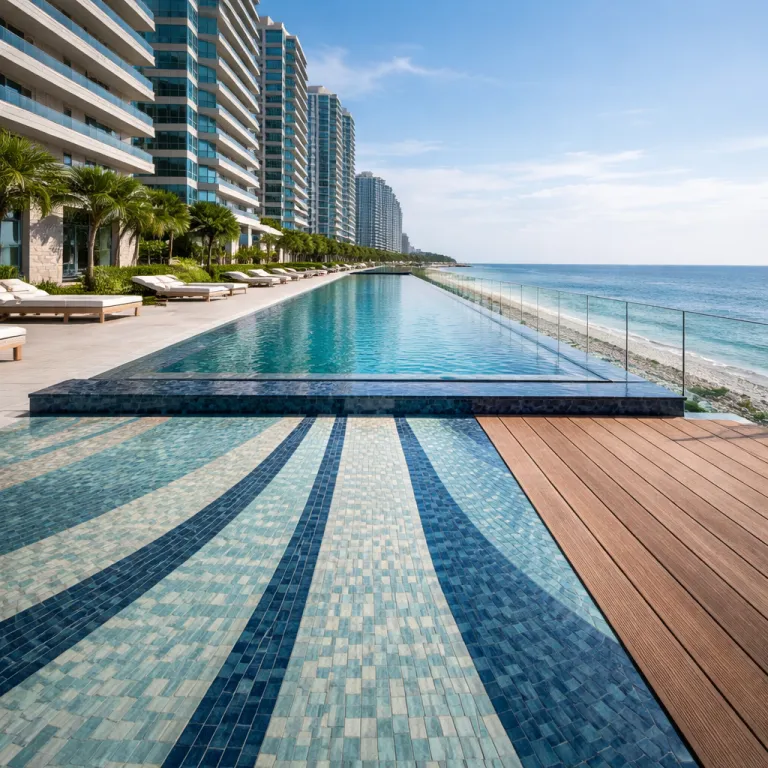

Why branded residences now sit at the center of luxury strategy
Branded residences have shifted from niche experiment to the reference point for serious luxury buyers. In every prime market, from los angeles to Dubai and from beverly hills to fort lauderdale, the branded residences luxury real estate 2026 narrative is now shaping pricing, liquidity and even architectural design. For an exclusive estate owner, the question is no longer whether to engage with branded residences but how each branded residence will affect long term value, control and personal lifestyle.
Three operator families now dominate this real estate landscape and they behave very differently for buyers and for developers. Hotel managed residences, led by names such as ritz carlton, waldorf astoria, Four Seasons and carlton residences, trade on service depth and global reservation systems, while fashion branded residences from mercedes benz, Bulgari or Armani lean on visual design, branded living aesthetics and ultra luxury positioning. Developer branded homes, often created with architects such as Foster + Partners, rely on location, construction quality and amenity programming rather than a hospitality or fashion logo, yet they still sit firmly inside the branded homes and luxury branded conversation.
Hotel managed branded residences usually command the highest premium in any mature market. Their ultra luxury services, from staffed living room lounges to concierge teams, create a lock and leave simplicity that many international buyers quietly prize more than the logo on the façade. Fashion and developer brands can still deliver strong branded homes and branded living experiences, but their long term real estate performance depends far more on the underlying estate fundamentals, the depth of the local buyers pool and the credibility of the developers behind each development.
Premiums, pricing power and what you are really paying for
Across prime residences, the uplift for a strong brand over comparable non branded homes typically ranges between twenty and fifty percent. That premium in branded residences luxury real estate 2026 is rarely just about the logo ; it reflects bundled services, curated design, perceived security and the promise that future buyers will pay for the same package. In practice, the uplift splits roughly into three buckets for most branded residences in liquid markets.
First, brand equity itself often explains a third of the gap between branded and non branded real estate pricing. A ritz carlton or waldorf astoria address in los angeles, beverly hills or on a prime park frontage signals service standards and global recognition that many buyers with high net worth portfolios treat almost like a blue chip share. Second, the services and amenities layer, from spa programs to staffed living room libraries, justifies another slice of the premium, especially when the resident association negotiates transparent contracts with hotel operators or with independent developers. Third, the lock and leave convenience, including integrated rental programs and clear rules on pets, guests and condo operations, underpins the final part of the premium because it directly affects exit liquidity and resale velocity.
Owners weighing a branded residence against a beautifully executed non branded condo should run a disciplined comparison of annual costs and likely resale outcomes. That means reading the service contract line by line, understanding what the operator pockets versus what the resident association funds, and comparing those figures with non branded residences in the same market using tools that clarify gross versus net returns, such as a detailed analysis of the difference between gross rent and net rent in exclusive estates. When the numbers align with your lifestyle priorities and with your broader estate strategy, the premium for branded residences becomes a rational allocation rather than an emotional response to marketing language about discover luxury or aspirational branded living.
Exit liquidity, destination fit and the new geography of branded value
Resale performance is where branded residences luxury real estate 2026 either validates the thesis or exposes the hype. In Dubai, Miami and now Marbella, branded residences have shown consistently faster resale velocity and firmer pricing than comparable non branded homes, helped by investor friendly tax regimes and a global buyers base that values turn key branded living. Detailed transaction data from Dubai, for example, shows how branded developments can anchor a whole district, a pattern explored in depth in the analysis of what the Dubai AED 1387 billion in quarterly deals actually signals for long term real estate strategy.
By contrast, markets such as Paris and London remain more resistant to overtly branded residences, especially in historic districts where planning rules, architectural heritage and local sentiment favor discreet luxury over visible brands. In these cities, ultra luxury buyers often prefer quietly exceptional residences in period buildings or low rise new development projects designed by Foster + Partners or similar studios, where the emphasis falls on craftsmanship, privacy and views rather than on a hotel or fashion logo. That does not mean branded homes have no role in those markets, but it does mean that the brand must be surgically matched to the neighborhood, the building scale and the expectations of local and international buyers.
Los angeles illustrates a hybrid pattern, with branded residences in the hills above the city, near key park corridors and in beverly hills coexisting alongside independent trophy homes. Here, the best branded residence projects use the brand lightly, focusing instead on spatial design, generous living room volumes and seamless indoor outdoor transitions that suit the climate and the entertainment driven lifestyle. For an exclusive estate owner, the lesson is clear ; destination fit matters as much as the brand name, and the most resilient real estate assets are those where the brand amplifies, rather than fights, the underlying logic of the market.
Hidden risks behind the glossy brochures and how to read them
Every brochure for branded residences luxury real estate 2026 promises effortless luxury, but the fine print often tells a more complex story. Brand decay is the first underappreciated risk, especially for fashion or automotive brands where creative direction can shift faster than real estate development cycles, leaving early residences feeling dated while newer branded homes reflect the updated aesthetic. When a brand such as mercedes benz extends from vehicles into branded residences or branded living concepts, owners must ask how the design language will age and whether the brand will still resonate with future buyers in ten or fifteen years.
Operator churn is the second structural risk, particularly in hotel managed residences where the flag on the façade can change while the physical estate remains the same. If a ritz carlton or waldorf astoria management contract ends and a weaker operator steps in, the perceived luxury branded value can erode quickly, even if the underlying residences and common areas remain physically intact. Co mingled rental pool economics add another layer of complexity, because income from short term guests, long term tenants and owner stays may be blended in ways that obscure the true performance of each condo or branded residence within the development.
Governance rules around pets, rentals and alterations to interiors can also affect both lifestyle and exit value. Some branded residences in los angeles or fort lauderdale, for example, impose strict limits on short term rentals to protect hotel rate integrity, which may suit certain buyers but frustrate others seeking flexible income from their real estate. Before committing capital, owners should review association bylaws, rental policies, pet clauses and even rules on changes to living room layouts or kitchen design, because these details shape both day to day enjoyment and the future buyers pool for your estate.
Due diligence for serious buyers of branded residences
For an exclusive estate owner, the right approach to branded residences luxury real estate 2026 is methodical rather than impulsive. Start with the operator family ; decide whether you want hotel managed services, fashion driven aesthetics or a developer led model that prioritizes architecture and privacy over a visible logo. Then map how each option aligns with your existing portfolio of residences, your personal net worth profile and your preferred balance between lifestyle enjoyment and pure real estate performance.
On the numbers side, request a full breakdown of association fees, operator charges and reserve contributions for any branded residence or condo you are considering. Ask the developers or their sales équipe to show historical data from comparable branded homes in the same market, ideally with support from a brokerage such as Coldwell Banker that tracks both branded and non branded real estate transactions. If you own multiple homes across los angeles, beverly hills, fort lauderdale or international hubs, integrate this analysis into your broader education on regulatory and tax frameworks, using resources such as guidance on how to navigate continuing education for real estate in Florida when you own exclusive property.
Finally, walk the building as if you were a future buyer arriving for the first time. Pay attention to the scale of the lobby, the proportion of the living room spaces in sample residences, the quality of finishes and the way the brand is expressed in everyday details rather than in marketing slogans about discover luxury or luxury real experiences. The most compelling branded residences, whether managed by ritz carlton, waldorf astoria or independent developers working with Foster + Partners, feel coherent, calm and inevitable, as if the brand, the architecture and the surrounding market had always belonged together in a single, quietly confident estate.
Key quantitative insights on branded residences
- Segment expansion in branded residences across Europe and key global destinations is projected to accelerate significantly over the next market cycle, reinforcing the strategic role of branded living in diversified luxury portfolios.
- In Dubai, Miami and Marbella, branded residences have demonstrated notable pricing power and faster resale velocity compared with non branded homes in the same districts, especially in ultra luxury developments linked to global brands.
- Hotel operators such as Aman, Four Seasons, Mandarin Oriental, Bulgari, ritz carlton and waldorf astoria, together with fashion houses, now dominate the pipeline of new branded homes and branded residence projects worldwide.
- Developers and operators are increasingly segmenting branded residences by buyer profile, from lock and leave urban condo formats to expansive branded homes in resort hills or park side locations.
Frequently asked questions about branded residences
How should an exclusive estate owner evaluate the premium for a branded residence ?
Start by comparing a specific branded residence with a non branded property of similar size, location and design, then isolate how much of the price gap comes from services, amenities and brand equity. Review annual fees, reserve contributions and any revenue sharing with the operator to understand the real cost of the branded living experience. Finally, examine resale data for comparable branded residences in the same market to see whether past buyers have actually recovered or exceeded the initial premium on exit.
Which operator family tends to offer the most resilient long term value ?
Hotel managed branded residences from established luxury operators usually show the most consistent performance, because their global reservation systems and loyalty programs feed a steady stream of future buyers and renters. Fashion branded residences can perform strongly in design focused markets, but their value is more sensitive to shifts in brand perception and creative direction. Developer branded homes rely heavily on the reputation of the developers and the quality of the architecture, so they can be excellent holdings when paired with strong locations and disciplined governance.
Why do some cities embrace branded residences while others resist them ?
Markets such as Dubai, Miami and Marbella combine investor friendly regulations, strong tourism flows and a buyers base that values turn key, service rich homes, which suits branded residences. Cities like Paris and London have stricter planning rules, deep local ownership and a cultural preference for discreet luxury, so overtly branded developments face more resistance. In those markets, subtle branding and exceptional architecture often outperform heavily marketed branded living concepts.
What are the most important documents to review before buying a branded residence ?
Key documents include the management agreement between the operator and the association, the condominium bylaws, the budget and reserve study, and any rental program contracts. These papers reveal how costs are shared, how decisions are made and what rights you have regarding rentals, alterations and resale. A specialist lawyer in luxury real estate should review them alongside your tax advisers to ensure the investment fits your broader estate planning.
How can I protect my exit strategy when buying into a new branded development ?
Focus on fundamentals that will matter to future buyers, such as location, ceiling heights, natural light, parking ratios and the flexibility of the floor plans. Assess the pipeline of competing branded residences in the same market to avoid oversupply that could dilute values. Negotiate where possible on finishes and layout to keep your residence broadly appealing rather than overly personalized, preserving liquidity when you eventually sell.
Trusted references for further reading
- Branded Living – Global analysis of branded residences and luxury development trends.
- Coldwell Banker Global Luxury – Market reports on branded homes, pricing power and resale dynamics.
- Inman – Coverage of international luxury real estate, operator strategies and branded residence pipelines.