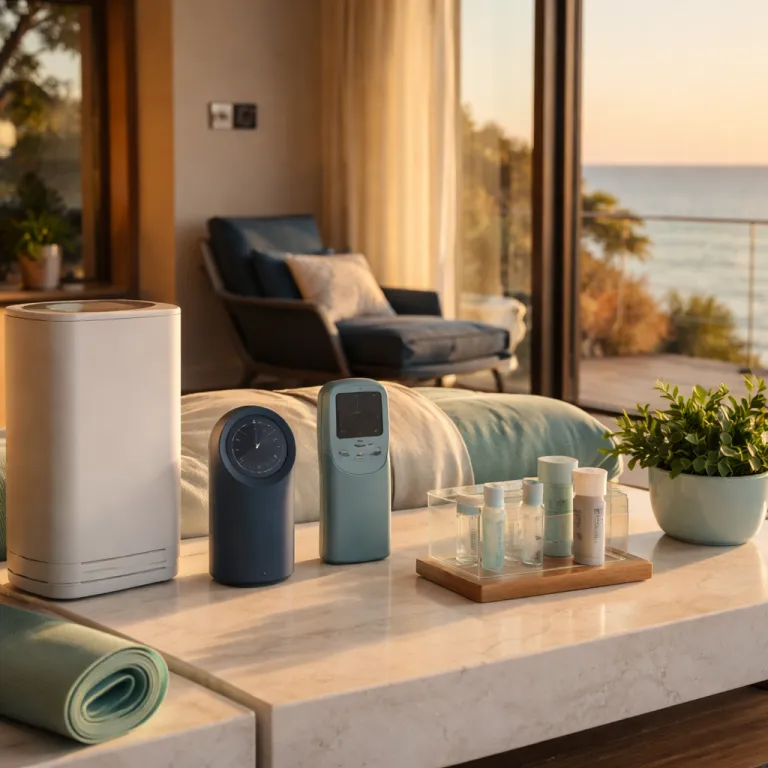
From amenity checklist to health protocol in wellness luxury real estate
Wellness luxury real estate has moved beyond spa bathrooms and vague promises. The most serious wellness luxury real estate projects now treat the residence as a calibrated health protocol, where every technical choice in the built environment is tied to measurable health wellbeing outcomes. For an exclusive estate owner, the question is no longer whether a home feels well but whether it can reliably help you live well and well live over decades.
At the top of the global wellness market, architects and clinicians are co writing briefs that read more like a medical report than a décor mood board. Air quality, water chemistry, circadian light, acoustic isolation and temperature zoning are specified with the same rigor you expect from a boutique hotel or a best in class wellness resort, yet they are now embedded quietly into private homes and family estates. This is wellness luxury real estate as infrastructure rather than hospitality theater, and it is reshaping how you should think about both primary residences and secondary wellness retreat properties.
Viewed through this lens, wellness real estate becomes a subset of performance architecture rather than a lifestyle real marketing label. The built environments you commission are expected to support health wellness, recovery and cognitive clarity, not just aesthetics or social hospitality for guests. In that case, every euro you allocate to the development process or future development will either build well aligned value into the estate or create over personalized features that the next buyer will treat as demolition costs.
The input stack: air, water, light, sound and temperature as design brief
Air is the first input where wellness luxury real estate must behave like a wellness institute rather than a decorative project. High end systems now combine increased ventilation rates, hospital grade filtration and volatile organic compound sensors, turning the whole built environment into a quiet lung that helps you live well even when the local community air outside is compromised. In many global wellness hubs from Dubai to Singapore, serious buyers already ask for a written air quality report before they even walk the spaces.
Water is the second non negotiable input, and here the best wellness luxury real estate borrows from both medical spas and discreet hospitality. Whole home filtration, remineralisation, structured water taps in kitchens and contrast hydrotherapy circuits with hot and cold plunge pools are no longer fringe amenities in flagship homes or in a private wellness resort wing. When you host guests for a long polo weekend in Miami or a coastal retreat in Europe, they now expect hydration, bathing and recovery rituals that feel closer to a five star hotel than to a traditional estate, as explored in this analysis of the Miami polo lifestyle for exclusive estate owners.
Light, sound and temperature complete the input stack that defines serious wellness real estate today. Tunable circadian lighting, daylight geometry studies and low frequency acoustic control are specified early in the development process, because retrofitting these into finished homes rarely works well or looks real. Temperature and humidity zoning, especially in primary suites, spa spaces and movement studios, will determine whether your wellness lifestyle routines become effortless daily habits or aspirational features that remain underused.
The program stack: recovery, movement and sleep as core estate amenities
Once the inputs are engineered, the program stack of wellness luxury real estate determines how you and your guests actually inhabit the estate. Recovery spaces now extend far beyond a simple steam room, with infrared saunas, cold plunge pools, red light panels and sometimes hyperbaric chambers integrated into coherent wellness retreat suites. In the most advanced homes, these recovery spaces sit adjacent to outdoor terraces or courtyards, using biophilic design and local planting to reinforce health wellbeing benefits documented in research on nature connected spaces.
Movement programming is the second pillar, and it is where many exclusive homes still underperform despite strong budgets. A single mirrored gym no longer satisfies a wellness lifestyle that includes strength training, mobility, yoga and low impact cardio, especially for owners who split time between multiple homes and wellness communities worldwide. The best wellness luxury real estate now offers a sequence of movement spaces, from a quiet yoga pavilion to a performance gym and a shaded outdoor track, each tuned to different times of day and different lifestyle real rhythms.
Sleep is the final and most undervalued program in wellness real estate, yet it is the one that most directly affects health wellness and long term performance. Primary suites in leading projects from Los Angeles to the Côte d’Azur now integrate EMF conscious layouts, blackout architecture, acoustic isolation and separate temperature control, turning the bedroom into a private wellness community for circadian repair. For a sense of how refined lifestyle real expectations are evolving in vertical living, consider the way primary suites and amenity floors are curated in developments such as the Baybridge condominium refined lifestyle, where sleep, movement and social hospitality are carefully zoned.
Measuring outcomes: the quantified home and the new wellness report card
Wellness luxury real estate only earns its name when outcomes can be measured, not just when amenities photograph well. The most forward leaning estates now integrate discreet sensors and dashboards that track air quality, water purity, noise levels, light exposure and even sleep adjacent metrics such as heart rate variability, creating a continuous wellness report for the property. Owners who travel frequently between global wellness hubs use these dashboards the way they use portfolio statements, as a real time view of how well each home supports their health wellbeing.
This quantified home trend is reshaping expectations in both the primary residence and branded hospitality segments. Boutique hotel operators and wellness resort brands that manage private residences increasingly share anonymised data on how guests use spa circuits, movement studios and outdoor spaces, which then informs the development process for new estates and wellness communities. In that case, the line between private homes and hospitality assets blurs, and your estate effectively competes with a global inventory of wellness retreat experiences for both family attention and future resale demand.
For exclusive estate owners, the practical question is how much instrumentation feels appropriate for a private lifestyle real context. A well designed system will surface only a few key indicators, such as indoor air quality, water filtration status and sleep environment scores, while keeping raw data in the background so you can live well without feeling monitored. When evaluating a new acquisition, ask whether the built environment can support this level of feedback without intrusive retrofits, and whether the local community has the technical équipe to maintain such systems over the full duration of your ownership.
Integration, liquidity and the next chapter of wellness luxury real estate
The hardest lesson in wellness luxury real estate is that integration beats retrofitting almost every time. When air, water, light, sound and temperature are engineered into the skeleton of the built environment, the estate feels calm, coherent and quietly high performance, rather than like a real estate case study in gadget accumulation. Ground up projects in markets such as Austin, Lisbon and Dubai Marina show that early pairing of architect and wellness consultant during the development process will usually cost less than late stage corrections.
Liquidity is the second lens you should apply to every wellness real specification. Features that align with the broader wellness economy, such as advanced filtration, flexible movement spaces and biophilic design, tend to command a premium in the global market for both primary and secondary homes, as seen in data from Social Life Magazine and The Market Capitalist. Overfitted elements, such as a single owner cryotherapy room in the middle of a circulation route, may feel aligned with your current wellness lifestyle but can reduce appeal for future buyers who simply want to live well without inheriting idiosyncratic layouts.
As you refine your portfolio, treat each estate as part of a personal wellness community that spans cities, climates and tax jurisdictions. Some homes will lean toward hospitality, with generous guest suites and social spa spaces, while others will function more like a private wellness institute focused on deep recovery and focused work. For a nuanced perspective on how exclusivity, access and lifestyle real considerations intersect in complex ownership structures, the analysis of navigating exclusivity in estate ownership offers a useful parallel to the decisions you face when specifying wellness real features that must serve both present enjoyment and future market resilience.
FAQ
How is wellness luxury real estate different from traditional luxury property ?
Wellness luxury real estate is defined by health centric performance criteria rather than by decorative amenities alone. The built environment is engineered around air, water, light, sound and temperature inputs that support measurable health wellbeing outcomes, such as better sleep or reduced stress markers. In practice, this means that design, systems and spaces are specified with the same rigor as a medical grade wellness retreat or a top tier wellness resort, but executed with the discretion expected in exclusive homes.
Which wellness features add the most long term value to an estate ?
Features that align with broad global wellness trends tend to add the most durable value. These include advanced air and water filtration, flexible movement and recovery spaces, biophilic design and robust acoustic and thermal comfort in primary suites. Highly personal installations, such as niche therapy rooms placed in awkward locations, can feel impressive but may reduce liquidity in the wider real estate market.
Can an existing estate be upgraded to serious wellness standards ?
Retrofitting an existing estate can significantly improve wellness performance, but it rarely matches the integration of a ground up project. Air and water systems, circadian lighting and acoustic treatments can usually be upgraded without altering the architectural character, especially in large homes with accessible service spaces. Structural changes to daylight geometry, thermal mass or circulation patterns are more complex, so they should be evaluated case by case with both an architect and a wellness consultant.
How should I think about wellness across multiple homes in different countries ?
Owners with several homes should treat their portfolio as a distributed wellness community that supports different aspects of their lifestyle. One property might prioritise movement and outdoor living, while another focuses on deep recovery and focused work, yet all should meet a consistent baseline for air, water and sleep quality. Coordinating specifications across locations simplifies maintenance, ensures that you live well wherever you are and strengthens the long term positioning of your holdings in the global wellness oriented real estate market.
What role do hospitality brands play in shaping wellness focused homes ?
Hospitality brands, especially boutique hotel and wellness resort operators, have become influential in setting expectations for wellness luxury real estate. Their experience with guests, spa programming and operational data informs how private homes can integrate recovery circuits, movement studios and social wellness spaces. As branded residences and wellness communities expand, their standards increasingly influence what buyers expect from high value estates, even when no formal hospitality flag is attached.