
Ultra luxury Miami market: cash, scarcity and the branded wave
Miami luxury real estate 2026 is defined by cash, scarcity and branding. With 44 % of January closings in Miami recorded as all cash against 27 % nationally, the ultra luxury segment is running on a different market clock and rewarding buyers who can move without financing contingencies. For estate owners already exposed to south Florida, this real environment means time is no longer your ally at the very top of the luxury market where prime homes and luxury condos clear quickly while average condos linger.
The ultra luxury market in Miami has posted an approximate 8 % price gain in the recent cycle, and that outperformance versus the broader real estate market is concentrated in a handful of neighborhoods Miami owners know well. On the barrier islands, single family homes on Indian Creek, Star Island and Fisher Island remain the purest expressions of Florida luxury wealth, while Bal Harbour and South of Fifth balance beach access with vertical privacy in new luxury condo towers. On the mainland, Coconut Grove and Coral Gables continue to attract family capital seeking long term estate holds, with single family homes on larger plots offering real insulation from the more volatile condo market.
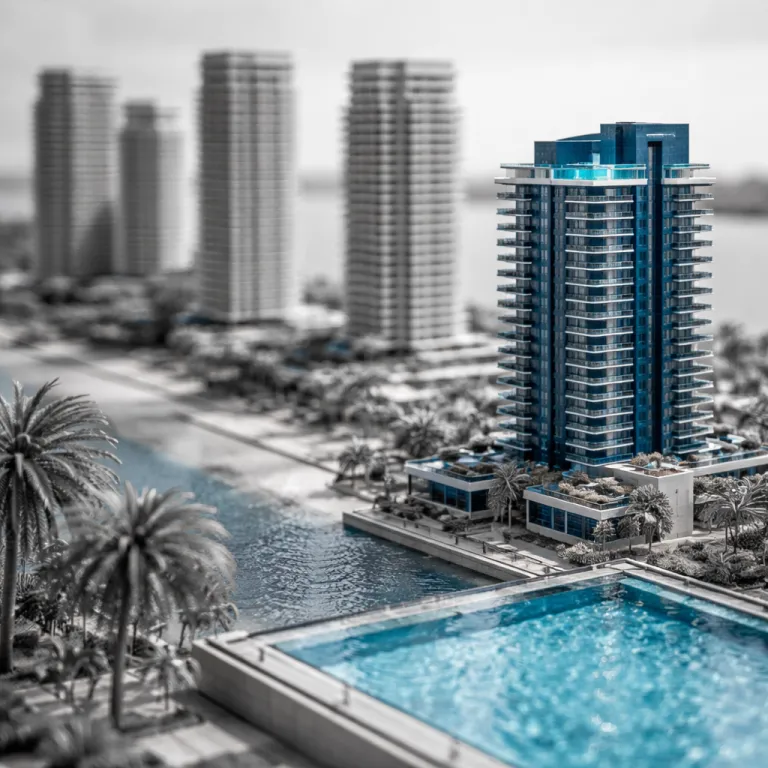
For ultra luxury buyers and for existing owners considering sales, the branded residence pipeline is the critical term to watch. Hotel and fashion operators are driving a new wave of branded condos across Brickell, Sunny Isles and Miami Beach, and those projects are reshaping both the condo market and the broader Miami luxury narrative. The risk is not Miami association demand, which remains deep, but price point crowding between three and five bedroom luxury condos where buyers sellers may suddenly find that analytics Miami data shows more similar product than the market can gracefully absorb.
Submarkets, tax migration and the NYC to Miami substitution effect
At the submarket level, Miami luxury real estate 2026 is a story of micro geographies and tax arbitrage. The proposed pied à terre tax in New York is already nudging ultra luxury buyers toward Florida, and that substitution effect is most visible in the trophy single family segment on Miami Beach, Indian Creek and the gated islands where New York wealth is comfortable paying for privacy and time zone alignment. In Brickell and downtown neighborhoods Miami investors are instead targeting luxury condo product that functions as both a pied à terre and a business base, often pairing it with holdings in other tax efficient cities such as Austin where understanding the downtown Austin Texas ZIP code for exclusive estate investment has become part of the same portfolio conversation.
For family offices, the decision is rarely about one condo versus another condo, but about how Miami luxury fits into a global estate allocation. Coral Gables and Coconut Grove offer long term stability through low density zoning and strong school catchments, which matters for family structures planning multi generational residence rather than short term speculation in condos. By contrast, Sunny Isles and parts of Miami Beach are treated as trading markets where buyers and sellers move in and out of luxury condos as the luxury market cycle and currency conditions shift, particularly for Latin American and European capital that values liquidity as much as lifestyle.
Owners should read every serious market report with a submarket lens rather than relying on citywide averages that blur real risk. Business Insider style headlines about south Florida booms rarely distinguish between ultra luxury waterfront homes and bulk investor condos several blocks off the beach, yet their sales dynamics and long term resilience differ sharply. For those balancing Miami with other global destinations, curated intelligence on coastal assets from resources such as a curated selection of the best beach resorts in Italy for exclusive estate owners can help frame where Florida luxury sits in a broader waterfront strategy that also spans other American and European estates.
Branded residences, climate costs and projects worth watching
The most delicate question for Miami luxury real estate 2026 is whether the branded residence boom enhances or dilutes long term value. Branded condos from hotel and fashion groups are now the fastest growing new build category in Miami, especially in Brickell, Sunny Isles and along the Miami Beach waterfront, and they are pulling pricing expectations higher for both new condos and older homes. For existing estate owners, the key is to separate truly ultra luxury branded stock with enduring service standards from transient branding exercises that may not justify their service charges over time.
Climate and insurance are where the carry cost premium is starting to show up most clearly in Miami and across south Florida. Waterfront single family homes in Miami Beach, Coral Gables and Coconut Grove now face materially higher insurance quotes, and those costs are beginning to influence both buyers and sellers in the luxury market as analytics Miami data sets capture the impact on net yields. Elevated premiums are also pushing some wealth toward higher elevation neighborhoods Miami side, while others diversify into inland or desert luxury homes for sale in Las Vegas as part of a broader American estate strategy anchored by exploring the finest luxury homes for sale in Las Vegas to complement Florida holdings.
For now, the ultra luxury spine of Miami remains resilient, but selectivity is essential for any new real estate allocation. Trophy homes on Indian Creek, Star Island and Fisher Island, best in class condos in South of Fifth and Bal Harbour, and architect led projects in Coral Gables and Coconut Grove still justify their Florida luxury pricing because their scarcity is real and their lifestyle proposition is difficult to replicate. Owners who treat Miami luxury as one component of a disciplined, data informed global estate portfolio will be best positioned to navigate the next term of this cycle, whether the cash buyer base expands again or the branded supply finally bends the price curve.