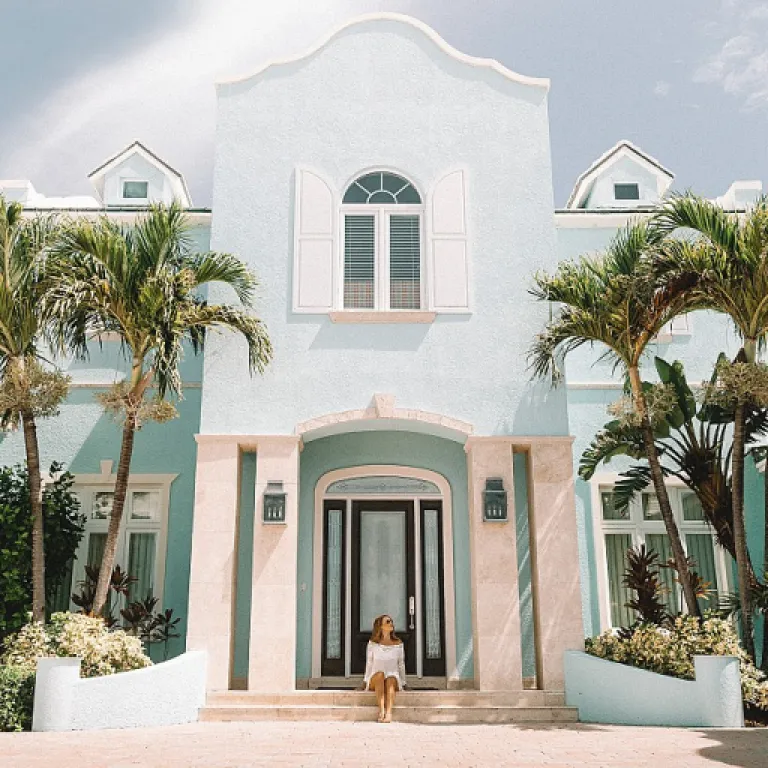

Understanding the essence of a palatial estate
The Distinctive Allure of Grand Residences
Owning a palatial estate is more than simply acquiring a large house. It is about embracing a lifestyle defined by grandeur, exclusivity, and a deep appreciation for architectural excellence. These estates are often set on expansive grounds, where the width and total area allow for beautiful landscaping, impressive exterior features, and a sense of privacy that is rarely matched. The main building itself is typically a multi-story masterpiece, with each level thoughtfully planned to maximize both luxury and comfort.
Architectural Features That Define Palatial Estates
What sets palatial estates apart is their attention to detail and the integration of bespoke features. From soaring ceilings in the main hall to intricately designed dining rooms, every room is crafted to reflect a unique style and purpose. The cost of such estates is not just in their size but in the quality of materials and the expertise required to maintain their heritage and architectural integrity. These homes often include large entertaining spaces, private libraries, and even dedicated art galleries, each contributing to the overall grandeur.
- Expansive exteriors with manicured gardens
- Custom-designed rooms for dining, leisure, and entertaining
- Attention to privacy policy and security in estate planning
- Unique architectural styles, from classic to contemporary
The Value of Heritage and Community
Many exclusive estates are steeped in history, with architectural features that have been preserved for generations. This commitment to heritage is a hallmark of true luxury living. At the same time, owners often find themselves part of a network of like-minded individuals who value privacy, discretion, and the finer things in life. For those interested in exploring unique architectural styles, a charming English Tudor home offers a glimpse into the timeless appeal of classic estates.
Navigating privacy and security concerns
Balancing Openness and Seclusion
Owning a palatial estate means embracing a unique blend of openness and seclusion. The sheer width and total area of these estates offer a sense of freedom, yet privacy remains a top priority. The exterior design, from grand gates to tree-lined driveways, is often the first line of defense against unwanted attention. High walls, advanced surveillance, and strategic landscaping all play a role in maintaining discretion without sacrificing the beautiful views and natural light that define luxury living.
Security Features That Match the Grandeur
Security in palatial estates goes far beyond basic alarm systems. Many properties integrate multi-level security plans, including:
- 24/7 monitored entry points
- State-of-the-art surveillance cameras covering the main house, guest houses, and exterior grounds
- Discreet panic rooms and secure vaults within the house
- Professional security staff trained to handle exclusive estate protocols
These features are designed to protect not just the residents, but also the valuable art, bespoke furnishings, and architectural heritage that make each estate unique.
Privacy in Every Room and Gathering Space
Inside, the layout and style of a palatial estate are carefully planned to ensure privacy at every level. Large dining rooms and entertainment areas are often separated from private quarters, allowing for both grand gatherings and intimate moments. Soundproofing, smart glass, and controlled access to certain rooms are common features that help maintain discretion during events or daily life.
Community Standards and Privacy Policy
Living among other exclusive estate owners brings its own set of expectations. Many communities have a privacy policy in place, ensuring that residents respect each other's boundaries and security measures. These standards help foster a sense of trust and exclusivity, making it easier to enjoy the luxury and freedom that come with owning a palatial estate.
For a closer look at how unique architectural features can enhance both privacy and style, discover the charming beacon of a unique lighthouse tower—a testament to the creativity and security found in the world of palatial estates.
Curating bespoke amenities for elevated living
Crafting Spaces That Define Opulence
In a palatial estate, the true measure of luxury is found in the thoughtful curation of amenities that elevate daily living. Each room, from the grand dining room to the private study, is designed with a meticulous plan that balances function and style. The width and scale of these spaces allow for beautiful, large features—think custom fireplaces, soaring ceilings, and bespoke lighting—that set the tone for the entire house.
- Exterior elegance : Landscaped gardens, water features, and expansive terraces create a seamless transition between indoor and outdoor living, enhancing the estate’s total appeal.
- Dining experiences : A main dining room with top-tier finishes and tailored acoustics ensures every gathering feels intimate, regardless of the story or level of the house.
- Wellness and leisure : Spa suites, fitness centers, and private cinemas are now standard features in many palatial estates, reflecting a commitment to holistic well-being.
Cost considerations are always present, but in the world of exclusive estates, investment in bespoke amenities is seen as essential to maintaining the property’s value and prestige. The style of each space should harmonize with the estate’s architectural integrity, a theme explored throughout this series.
For those seeking inspiration on optimizing layouts for luxury living, discover expert strategies for exclusive estate interiors. These insights can be adapted to any palatial estate, ensuring every level and room reflects the owner’s vision of grandeur.
Ultimately, the features that define palatial estates are not just about scale but about creating a harmonious environment where every detail is considered. This approach not only enhances daily life but also supports the privacy policy and exclusivity that discerning owners expect.
Managing a dedicated estate staff
Building a Cohesive Team for Seamless Estate Operations
Managing a palatial estate goes far beyond the grandeur of its exterior or the width of its main entrance. Behind every beautiful estate is a dedicated team ensuring that every room, from the large dining room to the most private suite, operates with precision and care. The right staff transforms a luxury house into a truly elevated living experience.
- Estate Manager: The main point of coordination, overseeing daily operations, maintenance, and the implementation of the estate’s privacy policy.
- Housekeeping: Responsible for maintaining the style and cleanliness of each room, ensuring that every level of the house reflects the estate’s standards.
- Chefs and Dining Staff: Curate bespoke dining experiences, adapting menus to the preferences of the owner and guests, and managing the cost and quality of ingredients.
- Security Personnel: Work closely with management to address privacy and security concerns, integrating advanced features without compromising the estate’s architectural integrity.
- Groundskeepers and Exterior Maintenance: Preserve the beauty of gardens, driveways, and exterior features, ensuring the estate’s first impression is always impeccable.
Training, Discretion, and Communication
Staff in palatial estates must be trained in both the technical and interpersonal aspects of their roles. Discretion is paramount, especially in exclusive estates where privacy is a top priority. Regular communication and clear plans help maintain harmony, whether coordinating a large event in the dining room or managing day-to-day tasks across the total property.
Adapting to Evolving Needs
As the needs of estate owners evolve, so too must the staff. Upskilling, cross-training, and fostering a culture of excellence ensure that every story of the house, from the main entrance to the most secluded room, is managed with expertise. This adaptability is essential for preserving the value and legacy of palatial estates while maintaining the highest standards of luxury living.
Preserving heritage and architectural integrity
Safeguarding Architectural Grandeur
Preserving the heritage and architectural integrity of a palatial estate is both a privilege and a responsibility. Owners of these exclusive estates understand that every detail—from the exterior façade to the intricate moldings inside each room—reflects a unique story and a legacy of luxury. The width and scale of these properties demand a thoughtful plan to maintain their original style while accommodating modern living.
Key Considerations for Preservation
- Authentic Restoration: When restoring a palatial house, it’s crucial to use materials and techniques that honor the estate’s original features. This includes sourcing period-appropriate stonework, wood, and fixtures for large dining rooms and main halls.
- Modern Upgrades with Respect: Integrating new amenities—such as advanced security systems or climate control—should never compromise the estate’s architectural beauty. Discreet installation and custom solutions help maintain the balance between comfort and authenticity.
- Expert Consultation: Engaging architects and craftsmen with expertise in historic estates ensures that every story and detail is preserved. Their knowledge helps maintain the estate’s value and appeal for generations.
Balancing Heritage and Contemporary Living
Owners often face the challenge of blending tradition with modern luxury. For example, updating the total cost of maintenance or expanding a beautiful exterior garden must be done with sensitivity to the estate’s original plan and style. Whether it’s a single-level villa or a multi-story manor, the goal is to enhance the estate’s features without erasing its history.
Preservation is not just about maintaining appearances. It’s about respecting the privacy policy of the estate’s legacy, ensuring that every large room, dining area, and architectural detail continues to inspire awe. By prioritizing heritage, owners of palatial estates secure their place in an exclusive lineage of grandeur and distinction.
Navigating exclusive estate communities and networks
Building Connections in Elite Estate Circles
Owning a palatial estate is not just about the grandeur of the house, the width of the grounds, or the luxury of each room. It’s also about becoming part of a unique network of estate owners who share similar values, privacy concerns, and an appreciation for architectural integrity. These exclusive communities offer opportunities to exchange insights on estate management, discuss the cost of maintaining large properties, and share best practices for preserving the beautiful exterior and main features of their homes.
Benefits of Exclusive Estate Networks
- Shared Expertise : Estate owners often collaborate on topics such as heritage preservation, bespoke amenities, and staff management, drawing from each other's experiences to enhance their own estates.
- Privacy and Security : Many networks establish a privacy policy to ensure that sensitive information about property features, dining room layouts, or security plans remains confidential.
- Access to Resources : These circles provide recommendations for top service providers, from architects to landscape designers, who understand the unique requirements of palatial estates.
- Social and Cultural Events : Exclusive gatherings, often hosted in large dining rooms or on the estate grounds, foster relationships and celebrate the style and heritage of these remarkable properties.
Choosing the Right Community
When considering which network to join, assess the total level of engagement and the story behind each group. Some focus on architectural style, while others prioritize security or the preservation of historic estates. It’s important to align with a community that matches your estate’s features and your own vision for elevated living. Remember, the right network can add significant value to your estate experience, offering both practical support and a sense of belonging among peers who understand the true meaning of luxury living.