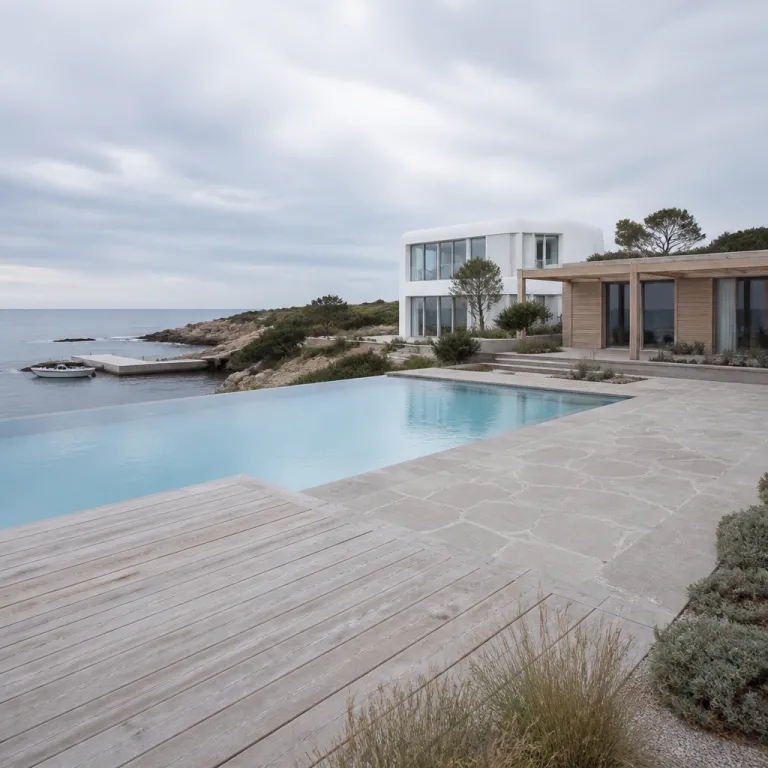
The new coastal logic of Bodrum, Comporta and the Yucatán
Bodrum to Comporta now forms a discreet axis for Bodrum Comporta luxury real estate emerging markets. These coastal corridors sit alongside the Yucatán in Mexico, quietly attracting international buyers who are tired of overexposed destinations yet still want luxury property with serious long term potential. In each of these markets, the estate market is shaped less by speculative construction and more by curated hospitality, low density planning and a clear narrative about lifestyle and privacy.
In Bodrum, the shift is visible in branded residences that pair private residences with hotels resorts level services, rather than in anonymous villas scattered along the peninsula. Luxury residences here lean toward horizontal architecture, deep terraces and framed sea views, echoing the restraint seen in comporta Portugal rather than the vertical spectacle of Dubai or Abu Dhabi. This is where luxury real estate stops mimicking the tower logic of Dubai hotels and instead borrows from the French Alps chalet model, with crafted materials, controlled scale and a focus on how the property actually lives across seasons.
Comporta in Portugal follows an even stricter code, with construction rules that protect dunes, pine forests and rice fields while still allowing ultra luxury estates to exist. The Bodrum Comporta luxury real estate emerging markets story is therefore not about volume of sale, but about aligning branded hospitality standards with a village scale estate market that feels almost pre globalisation. For an owner used to Dubai branded residences on Marjan Island in Ras Khaimah or a Ritz Carlton resort in Los Cabos, these quieter corridors offer a different kind of luxury real experience, where the most valuable amenity is the empty horizon rather than the tallest hotel tower.
Bodrum: from summer playground to architectural grade estate market
Bodrum has moved beyond its reputation as a seasonal resort and now functions as a year round node in Bodrum Comporta luxury real estate emerging markets. The best luxury residences are no longer speculative shells but fully curated private residences designed by Istanbul and London studios that understand cross border buyers. You see this in the way construction quality, seismic engineering and hospitality operations are integrated from the outset, rather than treated as separate cost lines.
For an owner comparing a Bodrum property with a branded residences project in Dubai or Ras Khaimah, the calculus is shifting. Entry pricing per square metre still sits below many Greek island and Côte d’Azur equivalents, yet the hospitality layer increasingly mirrors what you would expect from a Ritz Carlton or similar hotels resorts portfolio. That combination of competitive pricing, yacht infrastructure and an international community makes Bodrum a credible alternative to more saturated luxury real estate corridors, especially for buyers who already hold assets in Dubai, Abu Dhabi or Saudi Arabia and want geographic diversification.
Strategically, Bodrum works best as part of a long term holding structure, not a quick sale play in a volatile estate market. Owners who approach it with the same discipline they apply to long term apartment leases in Monte Carlo, as analysed in this guide on strategic approaches to long term leasing, tend to secure better risk adjusted returns. The key is to treat each Bodrum luxury property as both a lifestyle asset and a serious real estate position, with clear thinking about currency exposure, Turkish regulatory shifts and how the property will perform as part of a wider international portfolio.
Comporta: Portugal’s quiet answer to overbuilt luxury
Comporta Portugal has become the reference point for restrained coastal development within Bodrum Comporta luxury real estate emerging markets. Here, the most coveted residences are low slung wooden structures set among pines and rice fields, often designed by Portuguese architects who understand both Atlantic weather and the expectations of global buyers. The result is a collection of luxury residences that feel almost temporary in appearance yet are engineered for serious long term durability.
For a US based owner used to Dubai hotels or a resort on Marjan Island in Ras Khaimah, Comporta’s refusal to build high or dense can feel almost radical. The estate market is defined by scarcity, with strict controls on construction and a planning culture that prioritises landscape over short term sale volumes, which naturally supports capital preservation. Property Portugal wide has benefited from the golden visa narrative, but Comporta’s appeal now runs deeper than residency incentives, as serious buyers focus on architectural integrity, privacy and the ability to hold a luxury property across generations.
From a portfolio perspective, Comporta works well alongside more urban Portuguese assets in Lisbon or Quinta do Lago, where hospitality and hotel infrastructure are more developed. Owners who already hold branded residences in Dubai or ultra luxury chalets in the French Alps often use Comporta as their low visibility Atlantic base, complementing more public facing properties elsewhere. For a sense of how similarly curated European coastal markets behave, the analysis of exceptional homes in San Sebastián offers a useful parallel in terms of scale, culture and long term value retention.
The Yucatán: estate scale potential at Caribbean latitudes
The third leg of the Bodrum Comporta luxury real estate emerging markets triangle sits across the Atlantic in Mexico’s Yucatán. Here, Mayan heritage, cenote geology and Caribbean coastlines intersect with a still evolving estate market that offers estate scale parcels rarely available in older island destinations. For owners used to compact plots in Dubai, Abu Dhabi or Ras Khaimah, the ability to assemble multi hectare holdings near Mérida or along the northern coast is a genuine structural advantage.
Unlike a fully branded resort on Marjan Island or a Ritz Carlton hotel in Los Cabos, many Yucatán opportunities remain unbranded, which can be either a risk or a freedom depending on your strategy. Some buyers choose to import a hospitality flag and create their own branded residences or private residences with hotel level services, while others prefer a low profile family compound with minimal visibility. In both cases, the construction phase requires more hands on oversight than in Portugal or Dubai, because local contractors, permitting processes and infrastructure gaps vary significantly between municipalities.
For US based owners, flight times and cultural proximity make the Yucatán a practical complement to European holdings in Bodrum or Comporta Portugal. The region’s luxury real estate trajectory is still earlier in its cycle than the European corridors, which can translate into higher upside but also greater exposure to planning shifts and political narratives. Those already comfortable with frontier estate markets, such as the Caracas houses profiled in this analysis of why high net worth buyers are targeting Caracas, will recognise the importance of structuring, local alliances and a disciplined exit thesis from day one.
Positioning your portfolio across emerging coastal corridors
For an owner already exposed to Dubai hotels, Abu Dhabi resorts or Saudi Arabia giga projects, the Bodrum Comporta luxury real estate emerging markets thesis is about balance rather than replacement. You are not abandoning branded residences on Marjan Island or a Ritz Carlton resort in Ras Khaimah ; you are counterweighting them with quieter, lower density holdings in Portugal and Mexico. This rebalancing reduces concentration risk in a single hospitality model while preserving access to international lifestyle hubs and high quality hotels resorts infrastructure.
In practical terms, that might mean pairing a Bodrum luxury property with a Comporta Portugal retreat and a Yucatán estate, while retaining one or two branded residences in Dubai or Los Cabos for rental yield and visibility. Each property then plays a defined role : the hotel linked asset generates income and liquidity, the Atlantic and Aegean residences anchor family life and privacy, and the Mexican holding offers estate scale upside. Over time, this structure can smooth estate market cycles, hedge currency movements and give your heirs a diversified, globally relevant real estate platform.
Owners who treat these assets as a coherent system rather than isolated trophies tend to make better decisions on renovation, sale timing and succession planning. The same discipline you might apply to a long term lease strategy in Monte Carlo or to managing a French Alps chalet portfolio should govern how you phase construction, hospitality partnerships and potential branded conversions across your holdings. In a world where luxury real experiences are increasingly commoditised, the quiet power lies in owning the land, setting the rules and choosing when, or if, to attach a flag to your private residences.
FAQ
How do Bodrum and Comporta compare on pricing and value?
Bodrum generally offers lower entry pricing per square metre than Comporta, reflecting Turkey’s different macroeconomic profile and currency dynamics. Comporta Portugal commands a premium because of strict planning rules, limited supply and its position within the wider property Portugal narrative. Both markets, however, sit below the most saturated Mediterranean corridors, which supports long term value preservation for disciplined buyers.
What role do branded residences play in these emerging markets?
In Bodrum, branded residences and hotel linked private residences are becoming more common as international hospitality groups seek Mediterranean exposure beyond Dubai and Abu Dhabi. Comporta remains more resistant to overt branding, favouring architect led luxury residences that integrate quietly into the landscape. The Yucatán still offers a mix of unbranded estates and early stage resort concepts, giving owners the option to introduce a hospitality flag or remain entirely private.
Are these markets suitable for rental income or mainly for personal use?
All three corridors can generate rental income, but the profile differs between them. Bodrum and the Yucatán lend themselves to seasonal rentals, especially where hotel or resort infrastructure supports professional management and guest services. Comporta tends to function more as a private retreat market, with selective rentals that prioritise discretion over yield maximisation.
How should I think about political and regulatory risk in these destinations?
Each jurisdiction carries its own mix of political, regulatory and currency risks that must be assessed before acquisition. Turkey and Mexico require particular attention to foreign ownership rules, title verification and local governance, while Portugal’s framework is more established but still subject to policy shifts such as changes to golden visa regimes. A robust legal team, conservative leverage and clear exit scenarios are essential components of any serious allocation to Bodrum Comporta luxury real estate emerging markets.
Where do these assets fit within a broader global real estate portfolio?
For most ultra high net worth owners, Bodrum, Comporta and the Yucatán function as diversification plays alongside more mature holdings in places like Dubai, Ras Khaimah, the French Alps or Quinta do Lago. They add exposure to low density coastal environments and culturally rich regions that are difficult to replicate in newer master planned destinations. When structured thoughtfully, these properties can balance yield focused urban assets and branded hospitality investments, while anchoring the lifestyle dimension of a global estate portfolio.