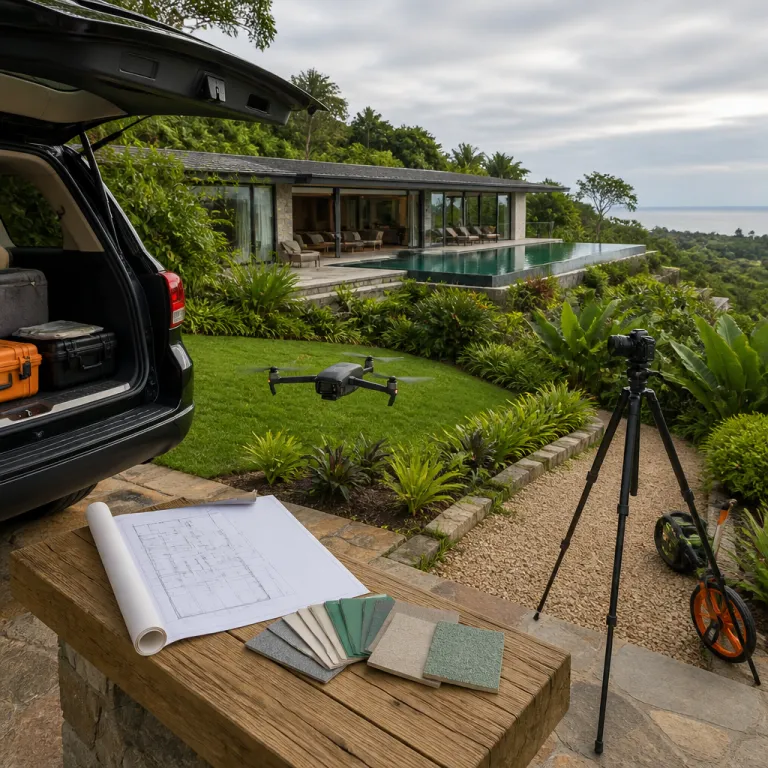

Positioning Haitian estates within an American ultra luxury portfolio
For an exclusive estate owner, the most compelling homes for sale in Haiti sit at the intersection of lifestyle, diversification, and legacy. A carefully selected residence in Haiti can complement United States holdings by adding Caribbean waterfront exposure, distinctive Haitian architecture, and relatively accessible land compared with mature American markets. When you evaluate these villas and mansions for sale or for rent, you should treat each property as a strategic asset within a broader cross-border real estate allocation.
High net worth families increasingly balance a primary residential estate in North America with secondary properties in destinations such as Port-au-Prince, Pétion-Ville, and Cap-Haïtien. In this context, a luxury house sale in Haiti is not simply a transaction; it is a calibrated move that can hedge currency risk, capture tourism-driven rent, and secure long term land appreciation. The same logic that underpins a record breaking all cash acquisition in Arizona’s ultra luxury segment, such as the transaction analysed in this Paradise Valley market insight, can guide disciplined acquisitions of Haitian properties, where purchase prices often range from mid six figures to low seven figures in US dollar terms for top tier estates.
When you review property listings for Haitian estates, insist on institutional grade documentation and clear title for both land and built structures. A real estate portfolio that includes several houses for sale in Haiti, supported by robust legal due diligence, can match the governance standards of your American holdings while still capturing the unique upside of Haitian urban and coastal locations. This approach transforms each house, each parcel of land, and each negotiable sale condition into a controlled, measurable component of your global estate strategy, with explicit targets for yield, capital growth, and family use.
Prime micro markets in Port au Prince, Pétion Ville, Delmas, and Cap Haïtien
Within the universe of homes for sale in Haiti, four micro markets consistently attract sophisticated capital: Port-au-Prince, Pétion-Ville, Delmas, and Cap-Haïtien. Each city offers a different balance of residential stability, rental demand, and long term land sale potential, which matters greatly when you already manage several high value properties across the Americas. Understanding these nuances allows you to match each house or estate to a specific role, whether primary residence, rental property, or land bank.
Port-au-Prince and the adjacent Port-au-Prince hills remain the administrative and commercial heart of Haiti real estate, with embassies, NGOs, and corporate tenants sustaining demand for high quality house rent options. Pétion-Ville, often written as Petion Ville in property listings, has evolved into the country’s most established luxury residential enclave, where spacious houses with four or more bedrooms and matching bathrooms command premium sale prices and resilient rent yields. Delmas, sometimes highlighted in sale Delmas advertisements, offers a mix of residential and commercial properties, where a negotiable property sale can secure both a family house and income producing ground floor retail, often leased to pharmacies, small supermarkets, or professional offices.
Cap-Haïtien on the northern coast, frequently referenced as Cap or Cap Haitien in international searches, is emerging as a strategic leisure and heritage destination. Here, houses for sale in Haiti often sit on generous land parcels, with sea views that rival better known Caribbean islands yet remain competitively priced compared with similar properties in American resort markets. For an exclusive estate owner, assembling a small cluster of residential properties and land sale opportunities around Cap-Haïtien can create a future ready platform for boutique hospitality or private family compounds, particularly near established beaches and heritage corridors.
Architectural standards, layouts, and amenity expectations for luxury buyers
In the upper tier of homes for sale in Haiti, architectural quality and interior planning must align with the expectations you already apply to American estates. A serious house acquisition in Port-au-Prince, Pétion-Ville, Delmas, or Cap-Haïtien should offer generous ceiling heights, cross ventilation, and structural resilience appropriate for the Caribbean climate. You will also want layouts that separate formal entertaining areas from private bedrooms and service zones, mirroring the best practice in North and Latin American luxury properties.
For a primary or secondary residential estate, a minimum of four to six bedrooms and matching bathrooms is now standard, with many exclusive buyers preferring flexible suites that can convert into offices or wellness rooms. When you review property listings, pay close attention to how the listing agent describes bedrooms, bathrooms, and any reference to bedrooms baths or bedrooms bathrooms, because vague language can conceal substandard finishes or awkward circulation. A truly spacious house in Haiti should integrate indoor and outdoor living, with covered terraces, landscaped land, and, ideally, a well maintained swimming pool suitable for both private use and high end rent scenarios, supported by shaded lounging areas and outdoor kitchens.
American estate owners also expect amenity packages that support extended stays and multi generational living. In Haitian houses for sale, this often means staff quarters, secure parking, backup power, and water storage, all of which should be clearly specified in the property sale documentation. When these features are present and well executed, a house sale in Haiti can stand alongside luxury homes in other global destinations, such as the high specification coastal estates analysed in this guide to strategic opportunities among Mexican island properties, and can be marketed credibly to international tenants and guests.
Pricing dynamics, negotiable terms, and yield potential
Pricing for luxury homes for sale in Haiti remains fragmented, which creates both risk and opportunity for experienced estate owners. In Pétion-Ville and select Port-au-Prince neighbourhoods, asking prices for a high quality residential house with four bedrooms and four bathrooms can approach values seen in secondary American cities, yet transaction data often reveals meaningful gaps between list and final sale. This is where negotiable terms, creative structuring, and a clear understanding of local land and construction costs become decisive, especially when sellers benchmark against aspirational international prices rather than recent closings.
Many property listings reference that a price is negotiable, but only disciplined buyers translate this into favourable sale property outcomes, such as staged payments, seller financing, or bundled land sale agreements for adjacent parcels. When you evaluate houses for sale in Haiti that were first marketed several months ago, you can often secure better conditions, particularly if the seller is carrying debt or facing holding costs on multiple properties. In Delmas, for example, a mixed use house sale that combines residential floors with commercial rent potential on the ground level can generate attractive yields when priced correctly, especially if leases are denominated in US dollars or indexed to inflation.
Rental demand underpins long term value, so you should always analyse house rent scenarios alongside any intended personal use. In Port-au-Prince and other major communes, corporate and diplomatic tenants typically favour secure, spacious houses with reliable utilities, which can justify premium rent levels relative to local incomes. By modelling conservative rent assumptions and stress testing vacancy, you can position each property sale in Haiti as either a yield asset, a land bank, or a hybrid estate that supports both family use and institutional grade returns, with explicit hurdle rates guiding acquisition and renovation decisions.
Risk management, governance, and operational control
Owning homes for sale in Haiti within a broader American estate portfolio requires a deliberate approach to risk management. Title verification, land surveys, and zoning checks must be handled by a trusted legal équipe that understands both Haitian law and international private wealth structures. Without this foundation, even a visually impressive house or estate can expose you to avoidable legal and financial complications, including boundary disputes, competing title claims, or non-compliant construction.
Operationally, you should treat each Haitian property as a standalone asset with its own governance framework, including documented maintenance schedules, security protocols, and rent collection procedures where applicable. For residential estates in Pétion-Ville, Delmas, or Cap-Haïtien, this often means appointing a local property manager with clear KPIs covering occupancy, repairs, and staff performance, supported by periodic audits from your family office or external advisors. When a house has a swimming pool, landscaped land, and complex mechanical systems, preventive maintenance becomes essential to preserve both capital value and tenant or guest satisfaction, and should be budgeted annually rather than addressed reactively.
Risk is not limited to physical or legal issues; it also includes reputational and social dimensions. An exclusive estate owner who invests in houses for sale in Haiti should consider community impact, staff welfare, and environmental practices, especially in coastal areas around Cap-Haïtien and other northern communes. By aligning each property sale or land sale with responsible ownership standards, you reinforce the long term desirability of your holdings and position your portfolio alongside other best in class global estates, such as those profiled in this analysis of exceptional coastal homes in Mexico, while also supporting local employment and environmental resilience.
Designing a long term Haitian strategy within your global estate
For many American estate owners, the first acquisition among homes for sale in Haiti begins as a lifestyle driven decision. Over time, that initial house or residential estate can evolve into the anchor for a more structured strategy that integrates additional properties, land banks, and curated rental operations. The key is to define from the outset whether each asset is primarily for family use, income generation, or long term capital appreciation.
A coherent plan might combine a flagship house in Pétion-Ville, a portfolio of rent oriented houses in Port-au-Prince and Delmas, and a series of land sale positions near Cap-Haïtien for future development. Within this framework, you can calibrate the mix of bedrooms, bathrooms, and amenities such as swimming pools to match the expectations of different tenant and guest segments, from corporate leases to high end vacation rentals. Properties that entered the market months ago can be especially attractive if you are prepared to negotiate firmly on price, closing timelines, and post sale improvements, using inspection findings and market comparables to justify your position.
Integration with your wider American holdings is essential, so your family office or advisory team should track Haitian properties alongside estates in Arizona, Florida, or Mexico. This allows you to compare yields, vacancy, and capital growth across markets, and to rebalance between house sale opportunities and new land acquisitions as conditions change. When executed with discipline, a curated selection of houses for sale in Haiti can stand as a distinctive, resilient pillar of your global real estate portfolio, offering both lifestyle benefits and diversified Caribbean estate exposure.
Key figures and market indicators for Haitian luxury estates
- According to the World Bank’s 2023 country data, Haiti’s urban population has continued to rise over the past decade, supporting sustained demand for residential properties in Port-au-Prince and surrounding communes.
- Data from the International Monetary Fund’s 2022 and 2023 reports show that remittance inflows to Haiti represent more than 20% of GDP, which helps finance house construction, property sale transactions, and upgrades to existing estates.
- UN Habitat assessments published in the early 2020s report that informal housing still accounts for a significant share of the national stock, which underscores the scarcity and relative resilience of well built, titled homes for sale in Haiti’s prime neighbourhoods.
- Regional tourism statistics from the Caribbean Tourism Organization, updated through 2022, indicate that northern coastal areas, including zones near Cap-Haïtien, have seen renewed interest from cruise and resort operators, enhancing the long term value of nearby land sale opportunities.
FAQ about luxury homes for sale in Haiti
Which areas are most suitable for ultra luxury homes in Haiti ?
For ultra luxury standards, the most established areas are Pétion-Ville, select hillside zones of Port-au-Prince, and coastal enclaves near Cap-Haïtien. These locations offer better infrastructure, stronger rental demand, and a higher concentration of secure, well built houses and estates. Delmas also presents opportunities, particularly for mixed use properties that combine residential and commercial components.
How do prices for luxury houses in Haiti compare with American markets ?
Prices for top tier homes for sale in Haiti are generally lower than in major American coastal cities, but the gap narrows in the best neighbourhoods of Pétion-Ville and Port-au-Prince. A high quality house with multiple bedrooms and bathrooms can cost a fraction of a comparable estate in Miami or Los Angeles, yet still command attractive rent yields. The trade off is higher perceived risk and more fragmented market data, which require careful due diligence.
Is it realistic to generate rental income from a luxury Haitian property ?
Yes, many exclusive owners secure meaningful rental income from houses in Port-au-Prince, Pétion-Ville, and Delmas, particularly from corporate, diplomatic, and NGO tenants. These tenants value security, reliable utilities, and spacious layouts with sufficient bedrooms and baths, and they are often willing to sign multi year leases. Coastal properties near Cap-Haïtien can also generate seasonal income from tourism, especially when they include amenities such as a swimming pool and direct beach access.
What are the main legal considerations when buying property in Haiti ?
The primary legal considerations include verifying clear title, confirming land boundaries through a licensed surveyor, and ensuring compliance with zoning and construction regulations. Foreign buyers should work with a Haitian notaire and legal counsel familiar with cross border estate planning to structure ownership appropriately. It is essential to document all aspects of the house sale, including any negotiable terms, in notarized contracts to avoid future disputes.
How should Haitian properties fit within a broader global estate strategy ?
Haitian properties should be positioned as complementary assets within a diversified portfolio that may already include American, European, and other Caribbean estates. They can serve as lifestyle retreats, yield generating rentals, or long term land banks, depending on location and asset profile. By applying the same governance, reporting, and risk management standards used for your other holdings, you can integrate homes for sale in Haiti seamlessly into your global real estate strategy.
Trusted references for further market insight
- World Bank – Haiti country data and urbanization trends (latest updates through 2023)
- International Monetary Fund – Haiti economic outlook and remittance statistics (2022–2023 country reports)
- Caribbean Tourism Organization – regional tourism performance and projections for northern Caribbean destinations