
Why a summer roof and plumbing checklist protects real estate value
For owners of substantial family homes and high value residences alike, a precise summer maintenance checklist for roof, plumbing, and building systems is less about routine and more about asset protection. A tailored warm‑weather plan for your property will reduce long term risk, stabilise operating cost, and support a stronger position in any future market negotiation. When you treat seasonal maintenance as a strategic investment, your homes respond with resilience, energy efficiency, and quieter year round performance.
Start by mapping every critical system that can move or channel water across the property, then align a realistic schedule that fits your time and your team’s capacity. This high level maintenance checklist should include the roof, visible plumbing, irrigation systems, outdoor lighting, windows and door assemblies, and the full HVAC system so that no hidden failure can undermine your real estate portfolio. When you inspect, test, and clean with discipline each year, you transform scattered maintenance tasks into a coherent plan that will help preserve both comfort and capital.
Owners who manage several residences should maintain a central digital checklist for summer roof, plumbing, and building services, updated after every visit. This record of regular maintenance and seasonal maintenance becomes a real audit trail that buyers, insurers, and lenders respect when they assess the property. Over time, such documentation will reduce disputes about condition, clarify cost history, and support premium pricing in a competitive market.
Roof and envelope inspection musts before peak heat
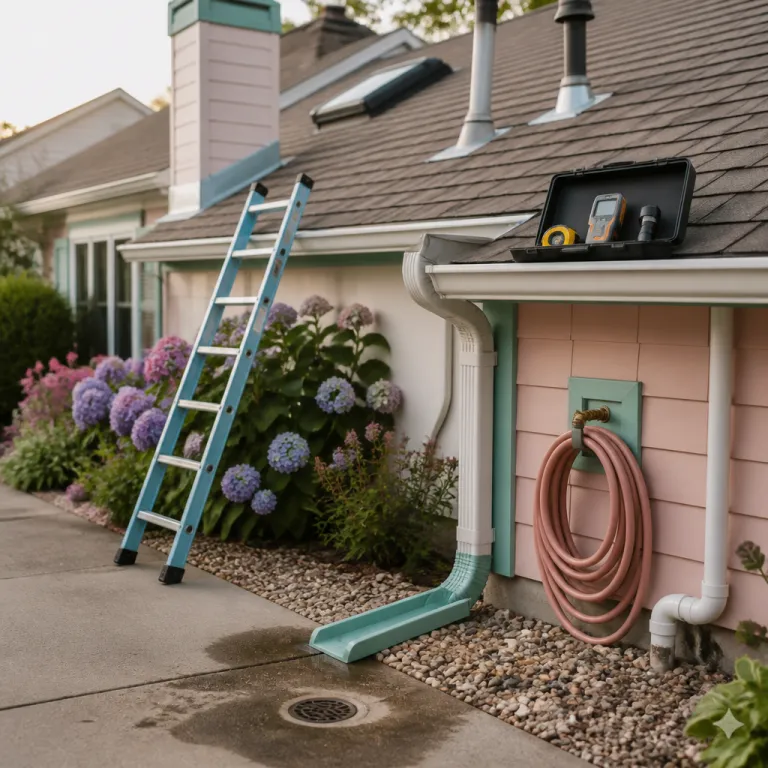
The roof remains the first defence line, so your summer checklist for roof and exterior systems must start with a structured inspect roof protocol. Walk every accessible surface or commission a qualified roofer to inspect and clean gutters, check flashings, and test drainage points after a controlled water run. When you inspect roof elements this carefully each year, you reduce the chance that a minor crack will become a major leak at the worst possible time.
Pay close attention to the junctions around chimneys, skylights, and windows and doors because these transitions often fail first under thermal stress. A disciplined owner will schedule drone imaging or high resolution photography for large properties, then compare images year round to track subtle movement or sagging. This level of real documentation turns a simple maintenance checklist into a powerful inspection must that can help your advisers negotiate repairs before they escalate in cost.
Do not neglect the building envelope when you plan seasonal maintenance for exclusive homes. Inspect outdoor façades, balconies, and parapets, and then check sealants around windows and doors to maintain both water resistance and energy efficiency. For complex estates, integrated inspection services can be valuable; a specialised expert guide on integrated home inspections for luxury real estate acquisitions shows how a single coordinated visit can reveal issues that fragmented checks often miss.
Plumbing, drainage, and irrigation systems under summer pressure
Water management defines whether a property ages gracefully or expensively, so your summer checklist for plumbing, drainage, and water control must treat every pipe and drain as critical infrastructure. Begin with visible plumbing runs in basements, plant rooms, and service corridors, then inspect and clean traps, test shut off valves, and check for corrosion or mineral build up. When you plan this level of seasonal maintenance, you will often catch small leaks before they stain finishes or compromise structural elements.
Exterior drainage and irrigation systems deserve equal attention because they can quietly undermine foundations. Inspect outdoor drains, channel grates, and soakaways after a deliberate water test, then verify that irrigation systems are not over watering near walls or pooling near footings. Owners who maintain a written maintenance checklist for these systems year round usually report fewer emergency call outs and a more predictable cost profile.
High value coastal or oceanfront homes require even more rigorous inspection musts for plumbing and drainage. Salt laden air, wind driven rain, and shifting water tables can accelerate wear, so your plan should include more frequent check cycles and professional testing of backflow prevention devices. For estates in such locations, a specialised due diligence checklist that brokers hope you skip can help you benchmark your own inspection standards against the most demanding buyers in the market.
HVAC, energy efficiency, and indoor safety before the hottest days
Climate control systems carry heavy loads in summer, so the seasonal checklist for roof, plumbing, and building services must integrate every HVAC system into the same disciplined routine. Before temperatures rise, schedule a full service for chillers, air handlers, and condensers, and then replace HVAC filters across all homes in your portfolio. This regular maintenance will improve energy efficiency, extend equipment life, and reduce the risk of disruptive failures during peak occupancy.
Mechanical rooms and concealed plant spaces deserve the same level of attention you give to visible finishes. Ask your technicians to inspect outdoor condensers for debris, test condensate drains for clear water flow, and inspect and clean any coils that show dust or biological growth. When these maintenance tasks are performed on time each year, the real cost of ownership falls, while comfort and natural light driven ventilation strategies can be balanced more intelligently.
Safety devices linked to HVAC must never be treated as an afterthought in any property. Test carbon monoxide alarms and monoxide detectors in every residence, verify that they are correctly located near sleeping areas, and record the test results in your maintenance checklist. In larger estates, a central log of all detectors, including their year of installation and replacement schedule, will help your team manage compliance and reassure both insurers and guests.
Outdoor living areas, lighting, and façade performance
Summer shifts the centre of gravity outdoors, so the warm‑season checklist for roof, plumbing, and estate presentation must extend beyond technical rooms. Inspect outdoor terraces, kitchens, and pools, then inspect and clean outdoor furniture to prevent mould, corrosion, or fabric degradation that can silently reduce perceived value. When you plan these seasonal maintenance tasks with the same seriousness as mechanical work, the entire property reads as cared for and coherent.
Lighting plays a dual role in security and ambience across exclusive real estate. Ask your team to check every outdoor lighting circuit, test timers and sensors, and verify that fittings are sealed against water ingress and insects. Owners who maintain a structured maintenance checklist for lighting year round often achieve better energy efficiency and a more refined night time presentation of façades and gardens.
Do not overlook how window and door assemblies shape both natural light and thermal performance. Inspect frames, seals, and hardware, then clean glass thoroughly so that interior spaces benefit from maximum natural light without compromising insulation. When you integrate these envelope checks into your broader seasonal maintenance plan, you will support long term comfort, lower cooling cost, and a more compelling visual narrative for any future market listing.
Documentation, scheduling, and inspection musts for buyers and sellers
For exclusive estate owners, the summer checklist for roof, plumbing, and building systems is also a negotiation tool in any real estate transaction. Maintain a structured digital file for each property, including invoices, photographs, and test reports for roof works, plumbing interventions, HVAC services, and irrigation systems adjustments. This level of documentation will help your advisers present a real, verifiable story of regular maintenance and disciplined seasonal maintenance to sophisticated buyers.
Time management is often the hidden barrier to consistent care, especially when you oversee several homes across different markets. Establish a year round schedule that clusters maintenance tasks by season and by trade, then delegate execution to a trusted équipe while you retain approval over scope and cost. Owners who treat maintenance as a planned activity rather than a reaction to failures usually experience fewer surprises and a smoother relationship with insurers and lenders.
Strategic maintenance also aligns with current demand for larger, amenity rich homes in the upper market segment. As recent analysis of why the biggest luxury homes are selling faster than smaller ones shows, buyers reward properties that present as turnkey, efficient, and impeccably maintained. When your inspection musts, maintenance checklist, and long term plan are all aligned, your homes will stand out in any competitive real estate environment and command the respect of both brokers and peers.
Key statistics on summer maintenance and building performance
- According to the United States Department of Energy (DOE, Weatherization Guidance, accessed 2024), improving insulation and sealing around windows and doors can reduce heating and cooling energy use by up to 15 percent, which directly supports better energy efficiency and lower operating cost for large homes.
- Data from the Insurance Information Institute (III, Homeowners Insurance Losses, 2023) indicate that water damage and freezing account for nearly one in five home insurance claims, highlighting why a rigorous checklist for roof, plumbing, and irrigation systems is essential for protecting high value property.
- Studies summarised by the Environmental Protection Agency (EPA, Energy Star guidance for HVAC, reviewed 2023) show that regular HVAC maintenance, including timely replacement of HVAC filters, can improve system efficiency by roughly 5 to 15 percent, which becomes significant when scaled across multiple exclusive estates.
- Research from the National Fire Protection Association (NFPA, Home Structure Fires and CO Incidents, 2022) reports that malfunctioning heating equipment and carbon monoxide incidents remain a leading cause of residential emergencies, underlining the importance of testing carbon monoxide and monoxide detectors as part of any seasonal maintenance plan.
FAQ about summer roof, plumbing, and estate maintenance
How often should I schedule a professional roof inspection for an exclusive estate ?
For high value homes, a professional inspect roof visit at least once a year is prudent, with an additional check after major storms. Complex or older roofs may justify biannual inspections, especially when the property is preparing for a potential market listing. Between visits, your team should perform visual checks and keep gutters clean to prevent water accumulation.
What are the most critical plumbing checks before summer ?
Before peak heat, focus on visible supply and waste lines, shut off valves, and drainage points around the property. Test all exterior hose bibs, inspect outdoor drains, and verify that irrigation systems are not directing water toward foundations or façades. Document every test and repair in your maintenance checklist so that patterns become clear over time.
Why is HVAC maintenance so important for luxury homes in summer ?
Large volumes, extensive glazing, and multiple zones place heavy demands on each HVAC system. Regular maintenance, including cleaning coils, replacing HVAC filters, and testing controls, preserves energy efficiency and reduces the risk of failures during high occupancy periods. Well documented HVAC service history also reassures buyers and insurers about the real condition of the property.
How can I coordinate maintenance tasks across several homes efficiently ?
Use a centralised digital platform to track maintenance tasks, schedule visits, and store reports for all homes. Group seasonal maintenance by region and by trade so that contractors can work efficiently across your portfolio. Clear standards, consistent checklists, and photo documentation will help maintain uniform quality even when different équipes are involved.
Which safety devices should be tested as part of summer maintenance ?
At minimum, test smoke alarms, carbon monoxide alarms, and any standalone monoxide detectors in each residence. Confirm that devices are correctly located, within their service life, and recorded in a central log with their installation year and planned replacement date. Integrating these tests into your year round schedule ensures that safety remains aligned with the overall maintenance strategy.