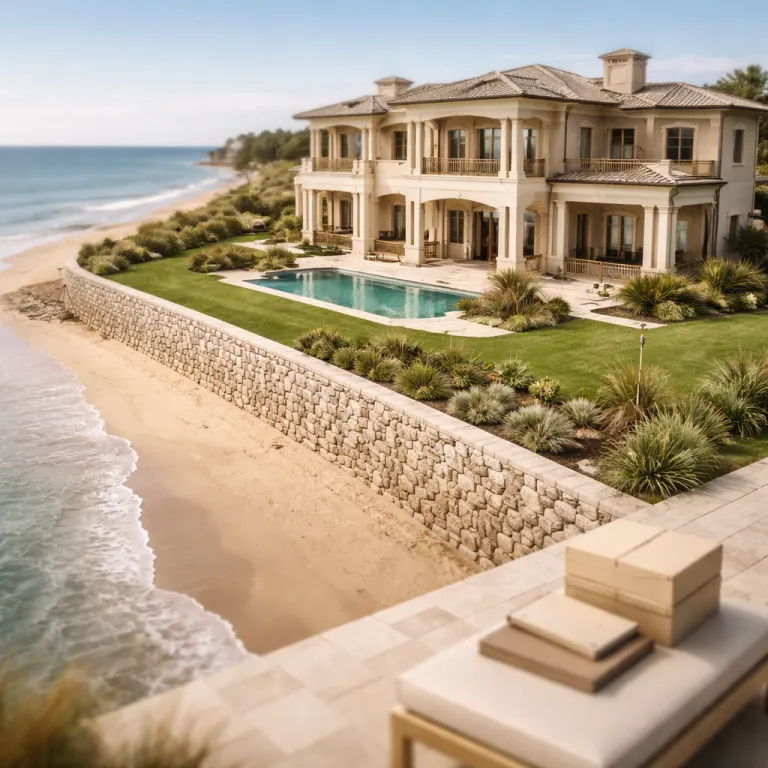
Reading the coastline, not just the brochure photos
Every serious buyer of oceanfront homes knows the view sells the dream, yet the smartest oceanfront mansion buying tips start with the ground under the beach and the water in front of the property. Before falling for the light on the terrace or the seductive beach living narrative, you need a forensic understanding of how that coastline has moved over decades, how the local real estate market prices risk, and how your future insurance premiums will behave as flood maps and storm patterns evolve. True waterfront living is less about the infinity pool and more about whether the house and surrounding properties will still be safely above the high tide line in twenty years.
Begin with erosion data and setback rules, because these shape both current value and long term exit options for any waterfront property you buy. In Palm Beach, Saint-Jean-Cap-Ferrat, or Sydney’s Northern Beaches, coastal engineers routinely model erosion rates in centimetres per year, and those numbers should sit beside the asking price when you evaluate oceanfront properties or waterfront homes that appear similar on paper but face very different physical futures. Ask for historic shoreline surveys, local university studies, and municipal coastal management plans, then compare them to the exact position of the house, the garden, and any seawall or dune system that protects your beach house or neighbouring beach homes.
Next, interrogate the FEMA or equivalent flood zone classification for each property, because remapping can move a house from a moderate to a high risk category and push insurance costs dramatically higher. In the United States, FEMA flood zone remapping is ongoing and can reclassify entire beach towns, as seen in post–Hurricane Sandy updates along the New Jersey and New York coasts, which means an elegant waterfront property that feels safe today may sit in a far more expensive risk band within a few years, reshaping both your annual insurance and your eventual buying selling strategy. Treat the flood map as a living document, not a static comfort blanket, and factor in how future changes could affect both your personal lifestyle and the rental income potential of any vacation rental you might operate.
Structural surveys for salt, wind and time
The most overlooked oceanfront mansion buying tips concern the brutal physics of salt, wind and water on even the most beautifully detailed homes. Salt exposure can accelerate structural degradation three to five times compared with inland properties, according to coastal durability studies from agencies such as the U.S. Federal Highway Administration and peer reviewed marine engineering research, so a standard survey is not enough for a serious oceanfront estate where you expect both stress relief and capital preservation. You need a coastal structural engineer who understands how beach living and constant spray affect foundations, steel reinforcement, glazing systems and roofs in ways that a typical inland realtor or generalist inspector may underestimate.
Insist on a survey that tests concrete for chloride penetration, checks for rebar corrosion, and evaluates the foundation’s interaction with saturated soil and shifting sand under the property. In Malibu, the Hamptons, or Portugal’s Cascais coastline, the best pros will also model wind loads on large glass openings and specify roof wind ratings that match or exceed local hurricane or cyclone codes, because waterfront homes with under engineered roofs can suffer catastrophic damage long before the rest of the house fails. This level of due diligence may feel excessive when you are in a relaxed vacation mindset, but it is precisely what separates a resilient beach house from a fragile showpiece that quietly deteriorates behind its immaculate façade.
Pay particular attention to balconies, cantilevered terraces and pools that appear to float over the beach or the water, because these elements concentrate loads and are often the first to reveal structural distress in waterfront properties. Where a seller markets a portfolio of beach homes or other luxury properties, compare structural reports across the collection to see patterns in maintenance quality and design choices, then use that intelligence when you buy beach mansions in the same development or nearby beach towns. For complex estates, consider commissioning a second opinion from a different coastal engineer, especially if you plan long term holding, significant renovation, or a strategy that includes both personal living and partial rent through short term or long term rental programs.
For a deeper sense of how elite owners approach structural risk and asset positioning, study how sophisticated investors evaluate exclusive listings using public engineering reports, municipal files and insurer guidance, including post storm assessment summaries released after events such as Hurricanes Michael and Ian in Florida. Their approach to data, disclosure and technical detail is a useful benchmark when you calibrate your own standards for oceanfront mansions and other high value real estate assets.
Seawalls, dunes and the real cost of holding the line
Any serious list of oceanfront mansion buying tips must treat coastal defences as core infrastructure, not decorative edges to your garden. A seawall, revetment or engineered dune is effectively a private dam between your house and the water, and its condition, design life and legal status will shape both your personal beach lifestyle and your long term balance sheet. Replacement costs typically range from 500 to more than 2 000 dollars per linear foot depending on material, engineering complexity and jurisdiction, according to coastal contractor estimates and U.S. Army Corps of Engineers cost ranges, which means a 60 metre frontage can represent a seven figure future liability for owners of prime waterfront property.
Walk the entire frontage at low tide with a coastal engineer, not just a realtor, and look for cracking, undermining, exposed reinforcement or ad hoc repairs that suggest deferred maintenance on the seawall or revetment. In places like Miami Beach, Monaco, or Dubai’s Palm Jumeirah, you will also want to understand how neighbouring waterfront properties manage their defences, because water always finds the weakest point and your elegant house can suffer from failures two doors down the beach. Ask for maintenance logs, permits and any correspondence with coastal authorities, then model different scenarios for replacement timing so you can budget realistically over both short term and long term ownership horizons.
Where there is no hard seawall and the property relies on dunes or natural vegetation, your due diligence should focus on setback distances, historic storm overwash lines and any coastal construction control lines that limit future works. Many high value beach homes in environmentally sensitive beach towns sit behind turtle nesting zones or protected dunes, which can severely restrict new pools, decks or extensions that might otherwise enhance your beach living experience. Review these environmental constraints alongside your lifestyle plans, especially if you intend to use the estate as both a family vacation retreat and a high end vacation rental that must compete with other waterfront homes on amenities and access.
To see how exclusivity and regulation intersect in practice, look at case studies of tightly controlled enclaves such as the Dallas luxury corridor, where zoning and design covenants shape long term value, as analysed in independent planning and land use reports and municipal comprehensive plans. While not oceanfront, the same discipline in reading covenants, easements and control lines applies when you evaluate any waterfront living opportunity in a high regulation coastal jurisdiction.
Insurance, flood maps and the quiet compounding of risk
For oceanfront mansion buyers, the most financially significant line item after the purchase price is often insurance, which is why the sharpest oceanfront mansion buying tips treat coverage as a strategic asset class rather than a closing table afterthought. In many coastal markets, insurance premiums for waterfront homes are reported by major carriers and reinsurers as rising by roughly 10 to 25 percent annually, based on recent filings and industry briefings from organisations such as the Insurance Information Institute and state insurance regulators, driven by updated catastrophe models, FEMA flood zone remapping and reinsurer pressure on carriers that underwrite high value properties near the water. That means a beach house that feels comfortably affordable today can become a drag on your portfolio’s cash flow if you underestimate how quickly premiums for flood, wind and excess liability coverage will climb.
Request full insurance histories for the property, including past claims, denied claims and any non renewals, then share them with a specialist broker who works daily with luxury waterfront properties. You want a clear breakdown of what is covered under standard homeowners insurance, what requires separate flood or windstorm policies, and where you may need an umbrella policy to protect your broader estate from liability linked to guests, staff or rental activity. In some jurisdictions, insurers are withdrawing from entire beach towns or tightening terms for short term vacation rental operations, which can materially affect both your rental income projections and your ability to buy beach mansions with leverage that depends on stable coverage.
Pay close attention to how FEMA or local flood maps classify the specific parcel, not just the general neighbourhood, because small elevation differences can produce much higher premiums for adjacent properties. Ask your insurance pro to model several scenarios, including future remapping that shifts the house into a more exposed zone, and compare those trajectories with your intended holding period and any buying vacation strategy that involves renting the property for part of the year. If you plan to mix personal living beach time with structured rental, separate the pros cons of short term versus long term rental models, because insurers often price them differently and some carriers will not touch intensive vacation rental operations in high risk waterfront living zones.
Rental strategy, tax posture and the real cost of the view
Many owners approach oceanfront mansion buying tips with a simple idea, use the house for family vacations and let rental income quietly offset costs, yet the reality is more nuanced when you operate at the top of the market. In Saint Barthélemy, Maui, or the Costa Smeralda, the difference between a casually managed vacation rental and a professionally structured rental business can mean hundreds of thousands of euros in net yield over a decade, especially when you factor in tax treatment, depreciation and the impact of wear on high specification properties. Before you buy beach estates with a rental angle, map out exactly how many weeks you intend to rent, at what price points, and under which regulatory regime for short term or long term stays.
Some jurisdictions treat intensive vacation rental activity as a commercial use, which can trigger different tax rates, stricter safety codes and higher insurance premiums for waterfront homes that function as quasi hotels. Others cap the number of days you can rent a beach house or require specific licences for waterfront properties, particularly in fragile beach towns where local authorities want to protect community character and limit overtourism. Align your rental strategy with these rules from day one, because retrofitting compliance after you have marketed the property aggressively can be both expensive and reputationally damaging in tight luxury circles.
From a lifestyle perspective, be honest about how much stress relief you actually want from your beach living investment, because a heavily rented property feels very different from a private retreat where you control every detail. Owners who prioritise privacy and personal living often accept lower rental income or shift to longer term leases with carefully vetted tenants, trading yield for a calmer relationship with their waterfront property. If you are curious how elite owners quietly turn even modest assets into high performing retreats, the playbook used to transform a simple cabin with a hot tub into a private investment retreat offers useful parallels, and similar principles apply when you reposition coastal lifestyle properties as disciplined, income aware holdings.
Condo towers, HOAs and the hidden balance sheet
Not every oceanfront mansion is a freestanding house, and some of the most compelling oceanfront mansion buying tips apply to penthouses and large units in waterfront condominium towers where you share responsibility for the building’s skin and structure. In these settings, the health of the homeowners association reserve fund is as critical as the quality of your private interiors, because that fund pays for façade repairs, seawall reinforcement, roof replacement and mechanical upgrades that keep the entire property safe against water and wind. After the high profile failures and emergency assessments seen in several coastal markets, including the Surfside condominium collapse in Florida and subsequent statewide reserve study reforms, sophisticated buyers now treat HOA documents as seriously as structural reports when they evaluate waterfront living opportunities.
Request at least three years of HOA financial statements, reserve studies and minutes, then read them with the same care you would apply to a corporate balance sheet in another real estate investment. You are looking for whether the association has realistically budgeted for big ticket items like concrete restoration, window replacement and seawall upgrades, especially in older waterfront properties where salt has been attacking the structure for decades. If reserves are thin and major works loom, factor in the likelihood of special assessments that can run into six or seven figures for large units, effectively raising your annual cost of living far beyond the advertised HOA dues.
Also examine the building’s rules on rental activity, because some luxury towers in prime beach towns now restrict short term vacation rental operations to protect resident privacy and brand positioning. Those rules can be a blessing if you value quiet, but they also limit your ability to generate rental income or pivot your strategy between short term and long term tenants as the market shifts. When you compare different properties, weigh the pros cons of strict versus flexible rental policies in light of your broader estate planning, remembering that a beautifully run building with conservative rules can still be an excellent asset if your primary goal is secure, low drama beach living rather than aggressive yield.
Micro markets, brokers and building your own risk compass
The final layer of oceanfront mansion buying tips is about people and information, because no two coastal micro markets behave the same way and no single realtor has a monopoly on truth. In the Côte d’Azur, the Bahamas or the Gold Coast, you will find agents who specialise in trophy homes, others who focus on discreet off market properties, and a few rare pros who truly understand how structural risk, insurance and regulation intersect with lifestyle. Your task as an exclusive estate owner is to assemble a small, loyal équipe of advisers who can translate raw data about water, wind and sand into clear decisions about which properties deserve your capital and your time.
Start by interviewing multiple brokers and asking very specific questions about erosion rates, recent insurance withdrawals and the last three deals where buyers walked away after due diligence, because those stories reveal more than any glossy brochure. A serious oceanfront realtor should be able to explain the local market’s pricing of risk, point to recent sales where seawall condition or flood zone changes affected value, and introduce you to engineers, insurance specialists and tax advisers who work regularly with high end waterfront homes. If an agent cannot speak fluently about these topics, treat that as a data point and rely more heavily on your independent advisers when you evaluate beach homes or other coastal properties.
Ultimately, the best oceanfront mansion buying tips help you build your own internal risk compass, so you can walk into any beach house, feel the breeze, hear the water and still think clearly about structure, insurance and long term liquidity. When you reach that point, you can enjoy the genuine stress relief that comes from knowing your beach living lifestyle rests on solid foundations, not wishful thinking or marketing copy. The view will always matter, but the real luxury is owning a waterfront property that still feels like a good decision when you look back from a future where storms are stronger, premiums are higher and only the most carefully chosen waterfront properties have held both their beauty and their value.
Key figures every oceanfront buyer should know
- In many coastal U.S. states, insurance premiums for high value waterfront homes have risen by roughly 10 to 25 percent per year in recent renewal cycles, as reported by major insurers, reinsurers and state insurance departments, which can double your annual insurance cost in less than a decade if you do not plan for this compounding effect.
- Engineering and construction data from coastal contractors and U.S. Army Corps of Engineers project summaries show that seawall replacement typically costs between 500 and more than 2 000 dollars per linear foot, so a 60 metre oceanfront property line can imply a future capital outlay well into seven figures when you include design, permits and environmental mitigation.
- Studies comparing coastal and inland structures, including research on reinforced concrete bridges and marine infrastructure, indicate that salt exposure can accelerate corrosion and other structural degradation by a factor of three to five, which means a 40 year old oceanfront building may face similar maintenance challenges to a 100 year old inland counterpart.
- FEMA flood zone remapping has shifted thousands of coastal properties into higher risk categories in recent map updates, with documented examples along the Gulf Coast and Atlantic seaboard, and those reclassifications often lead to premium increases of 20 percent or more at the next renewal for homes that move into more exposed zones.
- In several prime beach towns with strong tourism demand, local regulations now cap short term vacation rental days per year, sometimes at 90 or 120 nights, which can reduce potential rental income by 30 to 50 percent compared with an unrestricted model and should be built into any pro forma.
FAQ about buying oceanfront mansions
How is an oceanfront structural survey different from a standard home inspection ?
A coastal structural survey focuses on issues that are rare inland, such as chloride penetration in concrete, corrosion of steel reinforcement, foundation interaction with saturated soils and wind loading on large glazed areas. It also examines seawalls, decks, pools and balconies for signs of undermining or movement caused by waves and erosion. A standard inspection often lacks this depth and may miss early stage problems that become very expensive in waterfront living environments.
What types of insurance do I need for an oceanfront mansion ?
Most owners will need a combination of homeowners coverage, separate flood insurance where available, and windstorm or hurricane coverage if the standard policy excludes those perils. High net worth owners typically add an umbrella liability policy to protect their broader estate, especially if they host guests or operate any form of vacation rental. The exact structure depends on jurisdiction, lender requirements and your personal risk tolerance, so a specialist broker is essential.
How does FEMA flood zone remapping affect property value ?
When remapping moves a property into a higher risk flood zone, insurance premiums usually rise and some carriers may restrict coverage, which can reduce net yield and buyer demand. Lenders may also tighten terms or require additional coverage, making the property more expensive to finance. Over time, markets tend to discount homes with significantly higher ongoing risk costs, especially when comparable properties remain in lower risk zones.
Is renting out my oceanfront mansion a good way to offset costs ?
Renting can offset costs, but the outcome depends on local regulations, wear on the property and how guests affect your own use of the house. In tightly regulated beach towns, limits on short term rentals and higher insurance premiums for intensive rental activity can erode profitability. Many owners find that a carefully managed mix of limited short term rentals or selective long term tenants offers a better balance between income, stress relief and asset preservation.
What should I look for in an HOA when buying an oceanfront condo or penthouse ?
Focus on the reserve fund level, recent and upcoming capital projects, and the building’s history of special assessments, because these reveal whether the association is realistically funding long term maintenance. Review rules on rentals, renovations and use of common areas to ensure they align with your lifestyle and investment plans. A well capitalised, professionally managed HOA is often the best protection you have against unexpected costs in a shared waterfront property.
Executive checklist for oceanfront mansion buyers
- Confirm historic shoreline movement, erosion rates and setback rules for the exact parcel.
- Obtain a coastal structural survey covering foundations, concrete, steel and wind loads.
- Have a coastal engineer walk and document the full seawall, dune or revetment line.
- Review FEMA or local flood maps now and under plausible future remapping scenarios.
- Ask a specialist broker to model multi year insurance costs under different risk bands.
- Check rental regulations, tax treatment and caps on short term stays before underwriting income.
- Analyse HOA reserves, planned capital works and assessment history for condos or towers.
- Build a small team of local experts who can challenge marketing narratives with hard data.