The architect premium as a new asset class
In prime residential markets, the phrase luxury architecture premium has become a literal pricing line, not just marketing poetry. When a waterfront villa in Cap d’Antibes or a penthouse in Miami Beach carries a recognizable name among global architects, the achieved price per square metre can jump between 25 and 40 percent compared with comparable but anonymous homes. That delta is no longer anecdotal; it is being tracked in real time by brokers who specialise in design build transactions for ultra prime homes and documented in periodic branded residence reports.
For you as an exclusive estate owner, the question is not whether to pay for design, but which signature justifies a long term premium on both lifestyle and liquidity. A Tadao Ando concrete villa in Malibu, a Kengo Kuma timber retreat in Niseko, or a Bjarke Ingels Group terraced residence in Copenhagen each translates a distinct architectural vision into tangible value through proportion, light, and open spaces that frame natural beauty rather than compete with it. The market now reads these architectural designs almost like blue chip artworks, with provenance, scarcity, and condition driving the perceived best opportunities and informing how brokers position asking prices.
In this context, the architect premium in luxury real estate is really a premium on curation and discipline, not on spectacle. A serious collector will commission a fully integrated project where architecture, interior, landscape, and art collection are conceived together by designers and architects who understand how you live, work, and entertain. That is why I highly recommend treating every new build or major renovation as a museum grade project, with a tightly coordinated équipe of architects, interior designers, and artisans working under an integrated design and design build framework rather than a loose assembly of disconnected consultants.
The financial markets have started to price this in with surprising precision, especially in branded residences and architect led developments. In London, New York, and Dubai, trophy apartments by award winning designers and Pritzker laureate architects have consistently outperformed their local indices, even when broader luxury segments softened. Knight Frank’s Prime Global Cities Index and Savills’ branded residence briefings both highlight schemes where architect designed units achieved launch premiums in the 20 to 40 percent range over local luxury benchmarks, with resale data confirming that a portion of that uplift is retained several years after completion. For example, Knight Frank’s 2023 branded residences report cites Central London schemes where architect branded apartments launched at roughly one third above neighbouring prime stock and maintained a double digit margin on early resales.
What buyers are paying for, ultimately, is not just a name on the architectural design drawings but a coherent lifestyle script embedded in every detail of the build. A luxury custom residence by a serious signature architect will choreograph the view lines, the circulation between interior and exterior, and the way open spaces flex between intimate family use and large scale entertaining. When that choreography is successful, the architect premium feels less like a surcharge and more like a rational price for a rare, well edited object that will age with grace rather than fashion.
From art collector to architecture collector
The collector mentality that once focused on Warhols and Rothkos has migrated decisively into architecture, especially among buyers under fifty who built their wealth in technology or finance. These clients approach a new villa or city residence as a long horizon cultural asset, commissioning custom designs from architects whose work they already follow in museums, biennales, and industry awards circuits. In this world, any premium for a signature architect is justified only when the project reads as a coherent, collectible object rather than a branded shell.
Commissioning a signature luxury home now resembles building a private collection, with a clear curatorial vision and a disciplined acquisition strategy. You might pair a Kengo Kuma mountain retreat in Hakuba with a John Pawson minimal townhouse in Notting Hill and an Olson Kundig glass and steel compound in the San Juan Islands, each project expressing a different facet of your lifestyle while sharing a commitment to honest materials and integrated design. The best designers and architects in this space are acutely aware that their residential projects will be compared, traded, and written about like art, and they design and build accordingly, with detailed time updates, rigorous documentation, and transparent communication often managed through secure email protected channels.
Branded residences have amplified this shift, but they also expose its limits when the architect brand outlives the building quality. A tower with a famous name on the brochure but mediocre architecture, thin walls, and compromised views will not sustain a design premium once the first resale cycle reveals the truth. By contrast, developments where the design build process is genuinely fully integrated, where interior designers and architects collaborate from day one, and where the project earns serious industry awards for architectural design and sustainability, tend to hold their value and sometimes outperform even the most hyped fashion branded residences described in analyses of branded residences as a new address strategy.
For serious owners, the lesson is clear: treat each new project as a commission, not a purchase, and interrogate the architecture as rigorously as you would a major artwork. Ask how the design responds to climate, how the open spaces capture natural beauty, and how the interior design will age as materials develop patina rather than wear. When you approach luxury homes this way, the architect premium becomes a calculated investment in cultural and financial resilience, not a vanity tax.
This collector mindset also changes how you evaluate portfolios and succession planning, because architecture can become a family level legacy asset. A small constellation of award winning homes, each with strong architectural provenance and carefully curated interiors, can be structured across jurisdictions for tax efficiency while still reading as a coherent body of work. In that scenario, the names on your architectural drawings matter as much as the names on your art certificates, and the right team of designers, architects, and advisors can help you build a collection of spaces that will remain relevant long after the current cycle of branded marketing fades.
Material provenance, artisan craft, and the quiet power of interiors
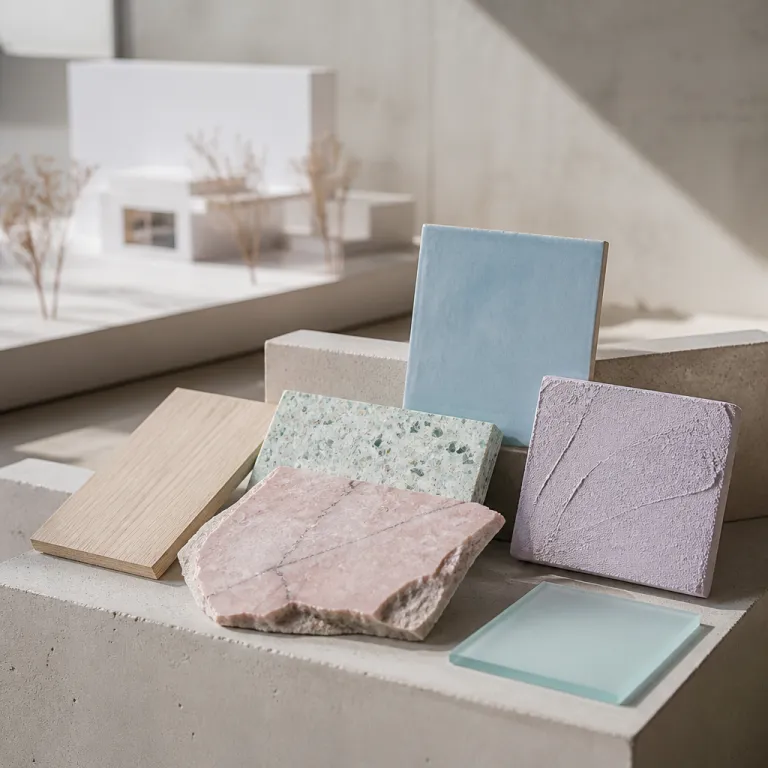
The most sophisticated buyers have realised that the real value uplift from a signature architect often hides in the interior, not the skyline silhouette. A façade by a star architect may draw the headlines, but the daily experience of your homes is defined by the grain of reclaimed European oak under bare feet, the depth of hand trowelled plaster, and the way natural light moves across honest metal surfaces throughout the day. This is where the artisan versus mass production divide becomes stark, and where serious interior designers quietly shape long term value.
Provenance in materials now functions as a quality marker in the same way provenance does in art, and the best designers and architects are transparent about it. Reclaimed oak from European barns, genuine lime plaster from specialist ateliers in Veneto, and bronze hardware cast in small foundries in Japan all carry higher upfront costs than mass produced alternatives, yet they also age into a richer patina that supports both lifestyle pleasure and resale narratives. When your interior design is executed at this level, the architect premium in luxury property is not a marketing claim but a lived reality that any visitor can feel within seconds of entering the villa or apartment. Savills’ 2022 Mediterranean prime residential briefing, for instance, notes Ibiza and St Barts villas where documented use of reclaimed timber and artisan metalwork correlated with resale prices roughly 10 to 15 percent above nearby properties finished with standard developer specifications.
Inside these spaces, integrated design becomes the critical discipline that separates serious projects from glossy showpieces. A fully coordinated architecture and interior scheme will align ceiling heights, window modules, and built in joinery so that open spaces feel effortless, with sightlines that frame natural beauty and art simultaneously. Thoughtful choices such as sculptural yet functional coffee tables, as explored in detailed guides to elevating your living space with luxurious coffee tables, can then sit within this framework as curated objects rather than afterthoughts, reinforcing the sense that every element of the build belongs to a single, coherent vision.
For owners who commission multiple projects across regions, this level of interior rigor also creates a subtle but powerful brand of your own. Guests moving from your ski chalet in Verbier to your coastal home in Comporta will recognise a consistent language of materials, proportions, and contemporary designs, even as each project responds to its local context. That consistency, orchestrated by a stable team of architects and interior designers who understand your preferences in real time, can itself justify a pricing premium when the portfolio is eventually rebalanced or partially sold.
There is a risk, of course, that interiors become over designed and over branded, suffocating the architecture rather than amplifying it. The most successful luxury custom projects avoid this by leaving certain open spaces deliberately quiet, allowing the architecture to breathe and the landscape to speak. When in doubt, prioritise fewer, better pieces, impeccable craftsmanship, and materials that will only improve with age, because those are the elements that future buyers and their advisors will notice long after the marketing language has been forgotten.
Avoiding architect fatigue and building for the long term
In some markets, the pendulum has already swung too far, and architect fatigue is real among sophisticated buyers. Skylines in Dubai Marina, parts of Miami, and sections of central London now feature clusters of signature towers where the perceived design premium has been diluted by oversupply and repetitive designs. When every building claims to be iconic, the word loses meaning, and the market quietly shifts its attention back to substance: light, proportion, privacy, and build quality.
The risk for you as an exclusive estate owner is paying a premium for a name that will not hold its value once the novelty fades. To avoid this, interrogate the underlying architecture and the design build process rather than the marketing narrative, asking whether the project shows genuine innovation in plan, section, and environmental performance. Look for evidence of cutting edge yet durable solutions, such as passive cooling strategies, high performance glazing, and structural systems that allow for flexible interior reconfiguration over time, because these are the features that will still matter when the next cycle of trends arrives.
One practical filter is to examine how fully integrated the project team really is, and how they manage information and time updates throughout the build. A serious architecture practice will provide clear schedules, real time progress reporting, and transparent cost tracking, often through secure email protected platforms that keep your data and drawings centralised. When architects, interior designers, landscape designers, and engineers operate as a single team rather than siloed consultants, the resulting homes tend to feel calmer, more coherent, and more resilient to fashion driven obsolescence.
Portfolio strategy also matters, especially if you hold multiple villas and apartments across continents and tax jurisdictions. Concentrating too many assets in oversaturated signature markets exposes you to the downside of architect fatigue, while a more diversified approach that includes quieter but impeccably executed architectural design in emerging coastal or alpine locations can balance risk and reward. Resources such as analytical guides on how to choose the perfect condo floor plan for exclusive estates can help you evaluate less obvious projects where the view, the plan, and the lifestyle potential quietly outperform the headline architect brand.
Ultimately, the most enduring architect premium accrues to projects where the architecture, interior, and landscape form a single, disciplined composition that serves your life first and the market second. When you commission or acquire homes that meet this standard, you are not just buying square metres or a famous name; you are building a private collection of spaces that will remain relevant, desirable, and financially robust long after the current crop of signature towers has blended into the skyline.
Key figures on the architect premium in luxury real estate
- In major global cities such as London, New York, and Hong Kong, apartments in developments designed by internationally recognised architects have been reported by leading brokerage firms to sell for 20 to 40 percent more per square metre than comparable units in non branded buildings in the same districts. Knight Frank’s Wealth Report 2023 and Savills’ Prime Global Cities research both reference case studies where architect branded schemes in Mayfair, Midtown Manhattan, and Kowloon achieved sustained premiums at launch and on early resales, with Knight Frank highlighting a Central London branded residence that launched at roughly 35 percent above the local prime average and maintained a premium above 20 percent on subsequent transactions.
- Research cited by Social Life Magazine indicates that a majority of affluent buyers under fifty now evaluate environmental and sustainability credentials in luxury design with the same seriousness as they evaluate provenance in art, contributing to measurable premiums for homes that integrate advanced energy performance and low impact materials. This aligns with survey data from global wealth managers who track how ESG considerations influence high value property allocations, including UBS and Credit Suisse private banking reports on passion investments published between 2021 and 2023.
- Market analyses from top tier agencies in the Mediterranean and Caribbean show that waterfront villas with documented use of reclaimed European oak, genuine lime plaster, and artisan metalwork can command resale premiums of 10 to 15 percent over similar properties finished with mass produced materials. Internal brokerage dashboards tracking closed transactions in Ibiza, St Barts, and the BVI consistently flag material provenance as a talking point in negotiations, and Savills’ 2022 Spotlight: Mediterranean Prime Residential notes that buyers increasingly request supplier lists and workshop documentation before committing to a purchase.
- Data from branded residence reports by international consultancies suggest that projects combining a strong architect brand with a respected hospitality or fashion brand can achieve initial launch prices 25 to 35 percent above local luxury averages, although resale performance varies widely depending on build quality and management. Savills’ Spotlight on Branded Residences 2023 and Knight Frank’s dedicated briefings both underline that architectural integrity and long term service standards are decisive in determining which schemes retain their uplift.
- Surveys of high net worth individuals conducted by global wealth managers indicate that a growing share of respondents now classify architect designed homes as part of their cultural or passion asset allocations, alongside art and collectible cars, signalling a structural shift in how these properties are valued and held over time. This reclassification supports the view of the architect premium as a distinct asset class within broader private wealth portfolios, with UBS’s 2022 Global Family Office Report and similar studies noting a rising allocation to architecturally significant real estate.
References
- Social Life Magazine – coverage of sustainability and material innovation in luxury design.
- Knight Frank – Wealth Report, Prime Global Cities Index, and branded residence briefings (for example, 2022 and 2023 editions).
- Savills – Spotlight reports on branded residences and prime residential markets, including Mediterranean and Caribbean briefings.