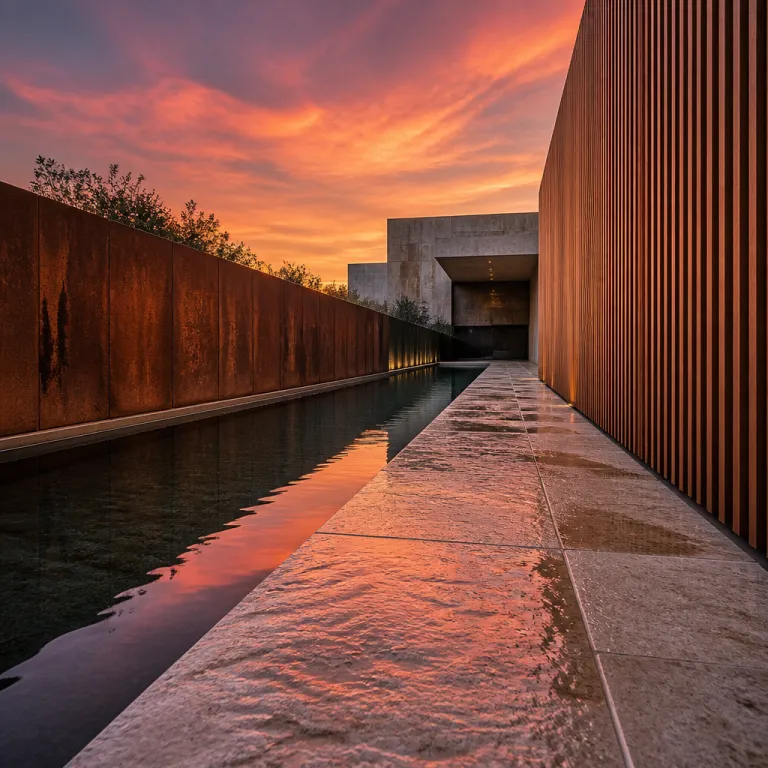
Quiet luxury as an architectural language, not a look
Quiet luxury in home architecture design is no longer a passing visual trend; it has become a discreet operating system for the entire house. In the most advanced residential projects in Los Angeles, Lake Como, and the Hamptons, the architecture team treats every room, every interior junction, and every piece of decor as part of one continuous, silent interface. This shift means that the value of a modern estate is now measured less by the photo-ready spectacle of its living spaces and more by how effortlessly the interiors perform for the people who actually live there.
At the core of this understated approach sits invisible technology, fully integrated into the home rather than displayed as gadgets. Wireless charging is embedded into stone kitchen islands, timber bedside tables, and even the arm of a living room chaise, while speakers vanish into plaster ceilings so that the luxury interior remains visually calm. Facial-recognition access, concealed retractable screens, and sensor-based lighting allow each room to adapt in real time, yet the design style of the interiors stays restrained and almost gallery-like.
Architects such as John Pawson in London and Tadao Ando in Naoshima have long explored this kind of design quiet, where space, light, and materials carry the narrative. Their work has influenced a new generation of designer-led studios in New York and Miami that specialise in refined, low-key home architecture for ultra-prime clients. For you as an estate owner, the question is no longer how much luxury decor you can add, but how much visual noise you can remove while still achieving a deeply luxurious aesthetic.
From smart home to invisible infrastructure
The most sophisticated luxury living environments now hide their intelligence behind walls, joinery, and carefully detailed interiors. In a modern villa above Beverly Hills completed in 2022, for example, the entire living room and dining room are controlled through a single, unmarked brass dial that blends into the wall, keeping the luxury aesthetic intact. The result is a home where technology serves the architectural vision rather than dictating the decor or cluttering the space with black screens.
This quieter mindset also changes how we think about room ideas and circulation between interiors. Instead of a showpiece media room with visible hardware, owners commission multi-use spaces where projection surfaces descend from ceiling slots and disappear again, leaving a serene interior design scheme. This approach to home decor allows the same room to host a board-level meeting by day and a private cinema by night, without ever compromising the design styles that define the house.
For apartments in dense urban markets such as Manhattan or San Francisco, the same principles apply but at a different scale, with every square metre of interior space working harder. Here, quiet luxury means that the home design conceals storage, acoustic treatments, and climate systems behind continuous wall panels, so the living rooms feel expansive despite compact footprints. Owners who prioritise this level of design quiet often accept higher construction costs because the long-term comfort and privacy gains are significant.
Materials that whisper, not shout
The material palette is where discreet home architecture most clearly departs from the marble-and-gold era of trophy houses. Instead of high-gloss stone and reflective metals, leading designers now specify reclaimed oak, hand-finished limestone, recycled steel, and low-carbon concrete to create a softer, more grounded interior aesthetic. These materials age gracefully, allowing every room in the house to develop a subtle patina that feels more like a private gallery than a hotel lobby.
In a waterfront residence on Fisher Island completed in 2021, for instance, the living room floors are laid in wide planks of reclaimed European oak, while the dining room walls are finished in limewash that absorbs light rather than bouncing it. The result is a series of interiors where the color story is muted and the decor is intentionally sparse, yet the overall luxury interior experience is richer because the materials themselves carry the narrative. This is quiet luxury as a long-term investment in tactility and comfort, not a short-term play for dramatic photos.
Material selection also drives the new sustainability expectations at the top of the market, where clients now ask for Environmental Product Declarations alongside stone samples. In Zurich and Singapore, family offices commissioning multi-generational houses insist on low-embodied-carbon materials and locally sourced timber, aligning their luxury living choices with broader portfolio ESG strategies. When your architect talks about design style today, they are really talking about how the materials, interiors, and building systems together express a quiet but uncompromising form of wealth.
How material choices reshape value
Quiet luxury materials often cost more upfront, yet they tend to stabilise long-term maintenance and refurbishment budgets. A hand-trowelled plaster interior, for example, can be repaired in place, while a high-gloss lacquered wall usually needs full replacement to maintain its original photo-perfect finish. This difference matters when you own multiple homes and want each house to age well without constant cosmetic overhauls.
In markets such as London’s Kensington and Paris’s 7th arrondissement, buyers now pay premiums for apartments where the interiors feature original stone, timber, and steel rather than synthetic substitutes. These spaces read as authentically modern, but they also align with the quiet luxury preference for honest materials that feel good underfoot and to the touch. The design ideas behind such projects prioritise sensory quality over visual spectacle, which is precisely what seasoned collectors of architecture now seek.
For a deeper dive into how high-end materials and detailing shape perceived value, many owners study specialist analyses of luxury estate architecture trends and signatures. These resources show that the most resilient design styles are those where the interiors can be refreshed with minimal intervention because the base materials remain timeless. In practice, this means specifying fewer surface-level finishes and more structural quality in every room of the home.
Multi sensory calm as the new status symbol
Quiet luxury home architecture design is ultimately about how a house feels hour by hour, not how it looks in a single photo. The most advanced projects now treat acoustics, scent, and touch as primary design parameters, on par with color and form. This multi-sensory approach transforms each room into a calibrated environment where the interiors support focus, rest, and social connection with almost clinical precision.
Acoustic zoning is the most visible, or rather invisible, expression of this shift, especially in large luxury home compounds with multiple living rooms and guest suites. Architects work with acoustic consultants to tune each space so that a lively dining room can sit adjacent to a library-like living room without sound bleed, using layered materials, concealed panels, and strategic room ideas. In practice, this means you can host a late dinner while someone sleeps undisturbed in a nearby bedroom, a level of design quiet that quickly becomes addictive.
Scent and air quality are also being integrated into the architectural brief, rather than left to candles and diffusers. In high-specification houses in Dubai and Monaco, curated scent systems are built into the HVAC, allowing different interiors to carry subtly different signatures throughout the day. The luxury aesthetic here is not about visible decor but about the almost subconscious sense that every space in the home has been considered, from the main living room to the most private rooms.
Tactile layering and the pleasure of touch
While earlier waves of modern living celebrated minimalism as visual emptiness, quiet luxury reframes minimalism as tactile richness. A corridor in a Lake Como villa completed around 2020 might pair honed limestone underfoot with hand-stitched leather on the handrail and finely woven wool on nearby wall panels. The color palette stays quiet, but the interiors feel deeply luxurious because every surface invites the hand.
This tactile focus extends to furniture and home decor, where owners increasingly commission custom pieces that align with the architecture. A marble-topped side table with a slender metal base, for example, can echo the structural language of the house while adding a subtle note of luxury decor to the living room. Curated objects of this kind, such as the sculptural pieces highlighted in guides to elevating a space with refined marble furniture, help maintain design continuity across rooms.
For estate owners managing multiple properties, this multi-sensory, tactile approach becomes a portable design style that can be adapted from a Manhattan apartment to a ski house in Aspen. The key is to define a clear hierarchy of materials, colors, and textures that express your version of quiet luxury, then apply those rules consistently across interiors. Over time, your portfolio of homes reads less like a collection of projects and more like a coherent, deeply personal design narrative.
The anti showcase mindset and what it signals
The wealthiest buyers in New York, Geneva, and Hong Kong are increasingly drawn to homes where luxury is almost invisible to the casual visitor. This anti-showcase mindset reflects a broader cultural shift away from display and towards privacy, security, and personal comfort. In architectural terms, it means that the most valuable rooms and interiors are often the least photogenic, because their luxury lies in proportion, light, and silence rather than in obvious decor.
Public-facing spaces such as the main living room or dining room still carry a refined luxury aesthetic, but they are no longer overloaded with branded furniture or statement art walls. Instead, the design style is deliberately restrained, allowing the architecture and materials to speak quietly while the real indulgence is reserved for private rooms such as dressing suites, spa-level bathrooms, and study spaces. These interiors often feature the most advanced climate control, acoustic isolation, and bespoke joinery, yet they remain almost entirely absent from social media.
This discretion extends to technology, where visible screens and devices are treated as design failures rather than status symbols. In a modern house in Bel Air completed in 2023, for example, the main television rises from a concealed slot only when needed, leaving the living rooms free of black rectangles the rest of the time. The message to guests is subtle but clear: the home is designed for living, not for showing off hardware or chasing the latest gadget trend.
How this changes what you should specify
For an exclusive estate owner, the anti-showcase ethos requires a different briefing process with your architect and interior design équipe. Instead of asking for a luxury room that impresses visitors, you start by defining how you want to feel in each room at different times of day. The design ideas then flow from those emotional and functional priorities, rather than from a list of brands or visual references.
When reviewing proposals, pay attention to how the design styles handle thresholds, transitions, and secondary spaces such as corridors and service rooms. In quiet luxury projects, these in-between interiors are treated with the same care as the main living spaces, using consistent materials and thoughtful lighting to maintain a seamless home design. This is where you can most clearly see whether a designer truly understands discreet luxury or is simply rebranding conventional decor with a softer color palette.
Owners who embrace this mindset often find that their homes feel calmer and more usable, even when entertaining at scale. Guests may not notice every detail of the interior design, but they will register the overall sense of ease and coherence that comes from a well-resolved quiet luxury home architecture design. Over time, this lived experience becomes a more meaningful measure of value than any single photo or feature list.
Retrofitting quiet luxury into existing estates
Many of the most significant properties in Aspen, Palm Beach, and the Côte d’Azur were built in eras that equated luxury with visible opulence. Retrofitting these houses for a more understated architectural language does not require a full demolition, but it does demand a strategic approach. The goal is to upgrade the interiors, systems, and decor so that the home feels calm and current while respecting its original bones.
The first step is usually to rationalise the interior layout, simplifying circulation and clarifying the hierarchy of rooms. This might mean combining several small living rooms into one generous living room and adjacent dining room, or converting an underused formal room into a flexible luxury room that can shift between office, library, and guest suite. By reducing the number of competing spaces, you create a clearer canvas for a coherent design style and a more efficient use of space.
Next comes the integration of invisible technology, which can often be threaded through existing walls and ceilings with minimal disruption. Upgrading to a centralised control system, concealed speakers, and integrated shading allows the interiors to function like a modern living apartment while preserving historic details where they matter. The key is to coordinate your architect, interior design studio, and technical consultants early so that the design quiet is not compromised by last-minute hardware decisions.
Targeted interventions that deliver outsized impact
For many estate owners, the most effective quiet luxury upgrades happen in a handful of high-impact rooms. Reworking the primary suite, for example, to include a calm living-room-style sitting area, a spa-level bathroom, and a meticulously organised dressing room can transform daily life without touching the rest of the house. Similarly, redesigning the main living room and dining room with a restrained color palette, layered lighting, and refined home decor can reset the tone for the entire home.
Another powerful move is to standardise materials and finishes across key interiors, replacing a patchwork of past renovations with a unified luxury aesthetic. This might involve installing consistent timber flooring, aligning door heights, and simplifying moldings so that the design styles read as intentional rather than accidental. Even in a large house, these targeted changes can make the space feel newly coherent and quietly luxurious.
Owners who manage portfolios of properties often pilot these interventions in one home before rolling them out elsewhere. They track not only guest feedback and rental performance but also their own sense of ease and productivity in the upgraded interiors. Over time, this lived data becomes a powerful guide for future home design decisions, reinforcing the value of quiet luxury as both a lifestyle and investment strategy.
The cost paradox and why quiet luxury is rarely cheap
Quiet luxury home architecture design often costs more than conspicuous luxury, even when the result looks simpler. The reason is straightforward: when you remove visual spectacle, the underlying craftsmanship, detailing, and materials must carry the entire experience. Every junction, every door reveal, and every piece of built-in joinery in the interiors has to be resolved to a higher standard, because there is nowhere for flaws to hide.
Invisible technology also adds to the budget, particularly when it is integrated early and seamlessly into the home design. Concealed speakers, in-wall wiring, and custom housings for retractable screens or hidden televisions require coordination between architect, interior designer, and specialist contractors. The payoff is a living room or dining room that feels calm and uncluttered, but the path there involves more design hours and more precise construction than a conventional luxury room filled with visible equipment.
Material choices further reinforce this cost paradox, as reclaimed timber, artisanal stone, and low-carbon concrete often command premiums over standard finishes. However, these materials tend to age better and require fewer full-scale replacements, which can improve long-term ROI for owners with multi-decade holding horizons. In effect, quiet luxury shifts some of the cost from short-term visual impact to long-term durability and comfort, aligning the architecture with the way serious estate owners actually live.
Where to spend and where to hold back
For an exclusive estate owner, the key is not to reduce spending but to allocate it with greater precision. Invest heavily in the rooms where you spend the most time, such as the primary suite, main living room, and kitchen–dining ensemble, ensuring that the interiors there fully embody your preferred design style. In secondary spaces, you can often achieve a coherent luxury interior effect with simpler materials and fewer bespoke details, as long as the overall color and decor language remains consistent.
It is also worth funding a rigorous early design phase, where your architect and interior design team resolve the big moves before construction begins. This is where decisions about room ideas, circulation, and technology integration are made, and where the foundations of design quiet are laid. Cutting corners at this stage usually leads to expensive late changes or compromises that undermine the quiet luxury intent.
For broader context on how these investment choices sit within the global luxury living landscape, many owners turn to in-depth analyses of high-end design strategies. These perspectives reinforce a simple truth: the most valuable homes today are not the loudest, but the ones where every interior decision, from materials to decor, has been made with quiet, deliberate care.
Key figures shaping quiet luxury in architecture
- Recent editions of Knight Frank’s Wealth Report indicate that ultra-prime residential sales above 10 million dollars have grown strongly over recent years, with buyers increasingly prioritising privacy and discretion over visible opulence. These findings are frequently cited by brokers when explaining why understated architecture now commands premiums in global gateway cities.
- Research summarised by the World Green Building Council suggests that buildings are responsible for a substantial share of global energy-related carbon emissions, which is driving high-net-worth owners to specify low-carbon materials and energy-efficient systems as part of their luxury home upgrades. Quiet luxury projects often use this data to justify early investment in performance-led design.
- Specialist acoustic consultants report that demand for advanced sound insulation in high-end residential projects has risen noticeably over the past five years, reflecting the growing importance of acoustic comfort in quiet luxury interiors. In practice, this translates into layered wall assemblies, floating floors, and bespoke door systems as standard in new ultra-prime homes.
- Data from the U.S. Environmental Protection Agency notes that people spend the vast majority of their time indoors, a statistic that underpins the shift towards multi-sensory interior design focused on air quality, light, and tactile comfort. Estate owners increasingly reference this evidence when briefing architects on wellness-focused home design.
- In prime London and New York markets, brokers from firms such as Savills and Douglas Elliman observe that buyers will often pay a premium for turnkey properties where architecture, interiors, and technology are seamlessly integrated in a discreet, low-key manner. These agents describe quiet luxury as a defining characteristic of the most resilient segments of the market.
FAQ about quiet luxury home architecture design
How is quiet luxury different from traditional luxury home design ?
Quiet luxury focuses on invisible technology, refined materials, and sensory comfort rather than overt display. Traditional luxury often relies on statement pieces, bold decor, and visible gadgets to signal value. In quiet luxury homes, the architecture and interiors feel calm, coherent, and highly functional, with wealth expressed through craftsmanship and restraint.
Which rooms should I prioritise when upgrading my home to quiet luxury ?
Start with the spaces you use daily, typically the primary suite, main living room, and kitchen–dining room area. Upgrading these interiors with better acoustics, integrated technology, and a consistent material palette will transform your experience of the house. Once these core rooms are resolved, you can extend the same design style to secondary spaces over time.
Can an older, ornate house be adapted to quiet luxury principles ?
Yes, many historic houses have been successfully reworked to embody quiet luxury without losing their character. The strategy is to simplify circulation, standardise key materials, and integrate invisible systems while preserving significant architectural details. Targeted interventions in high-impact rooms often deliver the greatest return with the least disruption.
Does quiet luxury always require the latest smart home technology ?
Quiet luxury relies on technology that supports comfort and discretion, but it does not require chasing every new device. The priority is seamless integration of essential systems such as lighting, climate, and security so that the interiors remain visually calm. Well-designed manual elements, like beautifully engineered windows or tactile switches, can be just as luxurious as digital controls.
How should I brief my architect and interior designer for a quiet luxury project ?
Begin by describing how you want to live and feel in each room, rather than listing brands or visual references. Ask your team to propose design ideas that prioritise proportion, light, acoustics, and material quality, with technology kept as invisible as possible. Make it clear that you value long-term comfort and coherence over short-term visual drama, and review every decision through that lens.